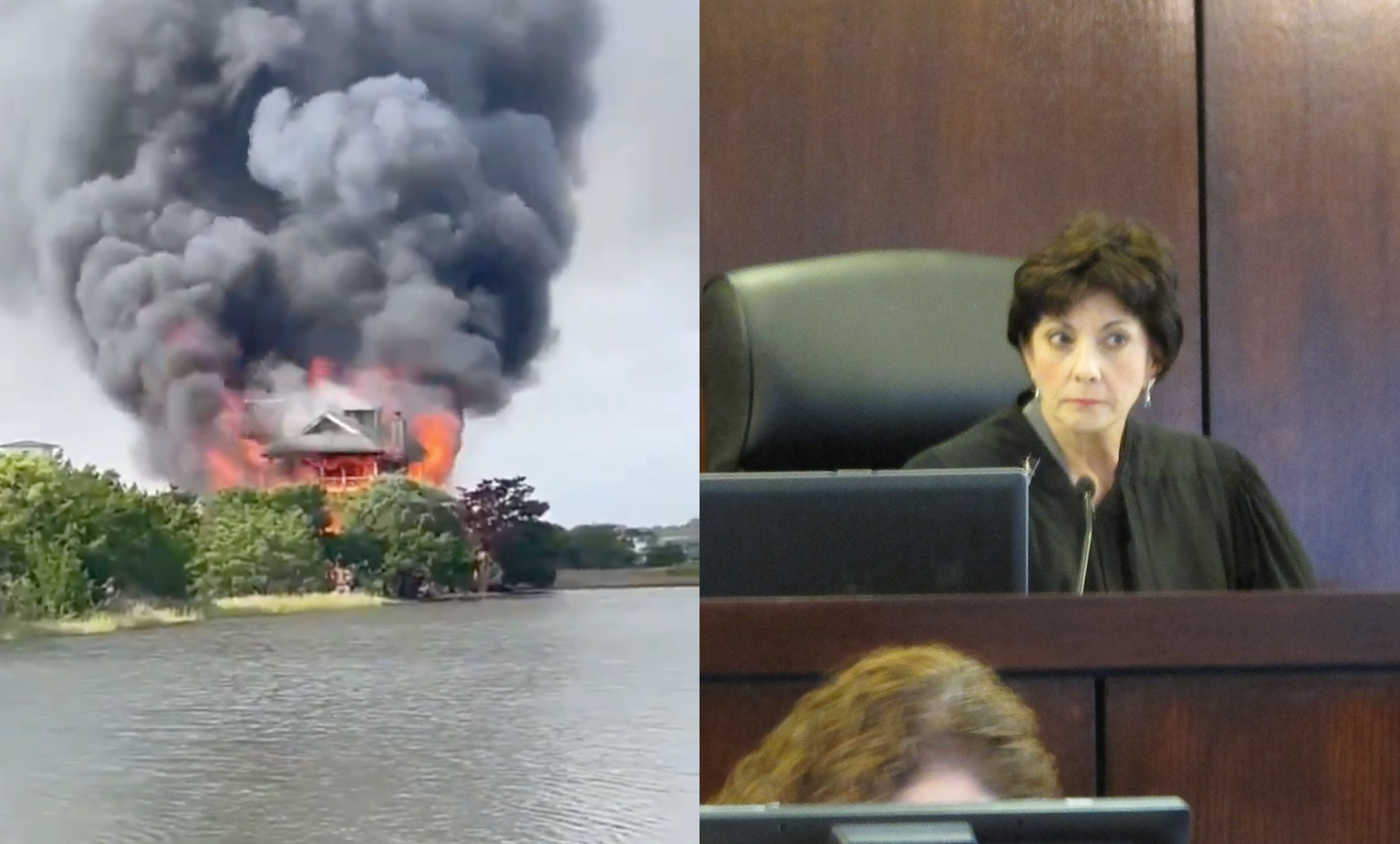
A weekend house fire destroyed the home of South Carolina Judge Diane Goodstein, weeks after she issued an order against the Trump administration. Authorities have not said what caused the blaze, and investigators caution against speculation.
Still, the incident has triggered new worry about judicial security at a time when Supreme Court justices themselves have publicly warned of rising hostility toward the judiciary.
Why It Matters
The fire that destroyed the home of Judge Diane Goodstein, who serves on the state Circuit Court of South Carolina—though still under investigation with no known cause—has sharpened long-running concerns about the safety and independence of the judiciary.
Supreme Court justices from across the ideological spectrum have warned that escalating political attacks and threats against judges endanger not only individuals but the rule of law itself, arguing that courts cannot function if decisions bring personal risk or public delegitimization.
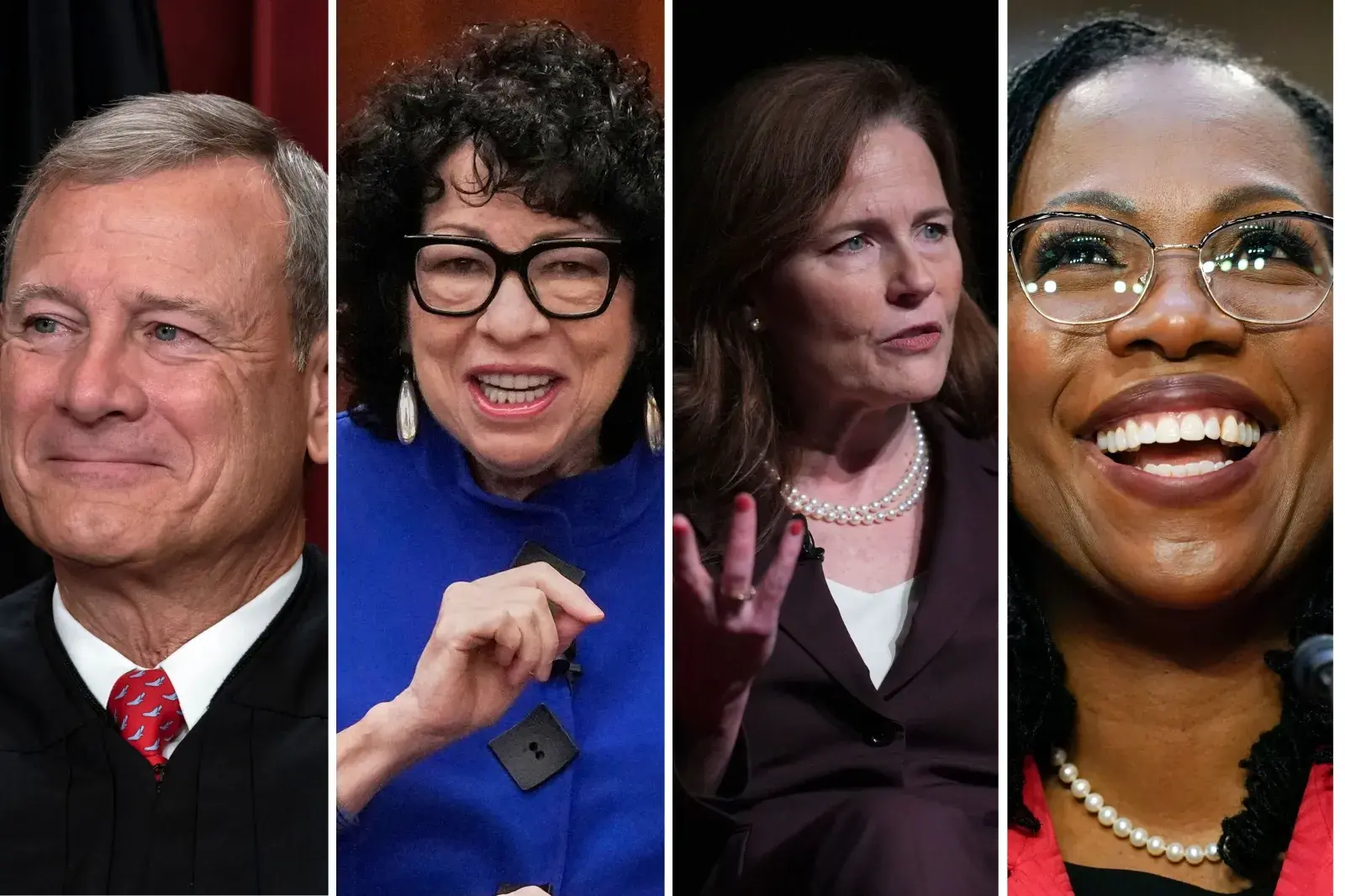
Chief Justice John Roberts
Supreme Court Chief Justice John Roberts has repeatedly addressed threats and violence directed at judges. Speaking at a recent American Law Institute’s annual meeting, he said, “A judicial system cannot and should not live in fear. The rule of law depends on judges being able to do their jobs without intimidation or harm.”
Roberts has linked this concern to the “increasingly heated rhetoric” surrounding court decisions, urging that disagreement with rulings “be expressed through legal reasoning, not threats.”
Roberts’s comments reflect the Court’s heightened attention to safety following incidents targeting lower-court judges, including the 2020 killing of the son of Judge Esther Salas and public protests at justices’ homes after the Dobbs decision, which overruled Roe v Wade in 2022.
He has not commented on Judge Goodstein’s case specifically but has warned that “attacks on the judiciary’s legitimacy can morph into personal danger.”
Justice Sonia Sotomayor
Supreme Court Justice Sonia Sotomayor has also spoken candidly about the emotional toll of public backlash.
In remarks at Harvard University in 2023, Sotomayor said some rulings left her so shaken she would “go to [her] office, close the door and cry.”
Those remarks were about the stress of decisions like the rollback of abortion rights, but they underscore her awareness of the climate judges face.
While Sotomayor did not link such emotion to safety threats directly, she has joined colleagues in supporting enhanced security measures.
After protests outside justices’ homes in 2022, Sotomayor supported expanding protective details for the judiciary, saying judges “should never feel unsafe for fulfilling their constitutional duties,” according to Politico’s coverage of the Court’s security concerns.
Justice Ketanji Brown Jackson
Supreme Court Justice Ketanji Brown Jackson’s concerns about democratic erosion have been unusually pointed.
In her 21-page dissent in Trump v. CASA (June 27, 2025), she called the Court’s 6—3 ruling against broad “universal injunctions” by lower court judges an “existential threat to the rule of law” and warned it could give a president “unchecked, arbitrary power the Founders crafted our Constitution to eradicate.”
Jackson went further in a footnote citing The Dual State by Ernst Fraenkel, a 1941 analysis of how Nazi Germany created parallel legal systems to strip enemies of rights.
By referencing Fraenkel, Jackson signaled alarm about trends that could undermine legal constraints on executive authority.
Although her dissent addressed doctrine rather than personal security, it has provoked sharp pushback.
Justice Amy Coney Barrett wrote in the majority opinion that Jackson’s reasoning was “untethered to conventional legal thinking or frankly, to any doctrine whatsoever,” a rebuke that some commentators said could intensify partisan criticism of Jackson.
That exchange exemplifies the polarized environment in which judges now operate.
Justice Amy Coney Barrett
Supreme Court Justice Barrett, author of the Trump v. CASA majority, argued that “universal injunctions likely exceed the equitable authority that Congress has given to federal courts,” grounding her reasoning in the Judiciary Act of 1789 and longstanding equity practice.
While her opinion was legal and historical, not political, Barrett has separately acknowledged public misunderstanding about controversial rulings.
She told an audience last year that justices “are not partisans in robes” and that threats to judges reflect “a failure to distinguish disagreement from delegitimization.”
Barrett’s critique of Jackson’s dissent shows the Court’s internal tensions, but she has also said that “the safety of the judiciary is nonnegotiable,” echoing bipartisan concern about protection after protests escalated outside homes of justices from both ideological camps.
The Context
Some political commentary around Judge Diane Goodstein’s ruling shows how quickly legal disputes can turn into personal attacks.
Former Trump adviser Stephen Miller criticized on X the South Carolina judge’s decision as part of what he called a “legal insurrection” and suggested courts were acting as a “shadow commander-in-chief.”
After critics warned his language could fuel hostility, Miller fired back in another post, writing: “You are vile. Deeply warped and vile. While the Trump Administration has launched the first-ever government-wide effort to combat and prosecute illegal doxing, sinister threats and political violence you continue to push despicable lies, demented smears, malicious defamation and foment unrest. Despicable.”
Miller went on to add: “Meanwhile, the Democrat AG nominee in Virginia is fantasizing about murdering his opponents and a Biden federal judge is showing radical leniency to a monster who tried to assassinate a Supreme Court Justice. While you post your libelous madness, we will keep focused on delivering public safety and fighting domestic terror.”
Roberts’s earlier caution that disagreement must remain “within the bounds of the law” and Sotomayor’s concern about emotional strain both speak to the potential impact of these charged reactions.
Investigators have not tied the Goodstein fire to any threat or political motive.
Still, the event coincides with a period when the Court’s own members are on record about safety.
Congress recently expanded protective services for judges after Roberts and others urged action, while earlier this year the U.S. Marshals Service said threats have risen sharply in recent years.
While substantive criticism of opinions—such as Miller’s view that a decision represents “legal insurrection”—is political speech, justices have urged caution against framing judges as enemies or traitors. Those narratives can influence public sentiment and risk physical harm.
What Happens Next
Authorities will first determine what caused the South Carolina judge’s house fire, with no link yet to threats or retaliation, while federal and local officials review security for judges amid renewed concern about safety.
The incident is expected to prompt statements supporting judicial independence and could lead to further protective measures, even as debate continues over how political criticism of court rulings can escalate into personal risk for judges.