Benin City, in southern Nigeria, has risen from a history marked by conquest and loss to become a bustling urban center of more than 2 million residents. Once the heart of the powerful Kingdom of Benin, the city was devastated in 1897 when British colonial forces looted its treasures and burned the royal palace.
Today, satellite images from NASA, reveal forests and farmland giving way to neighborhoods, roads, and industrial zones, documenting a dramatic revival that blends centuries-old cultural heritage with 21st-century urban growth.
Why It Matters
Nigeria, Africa’s most populous nation with nearly 240 million residents, is undergoing urban growth few countries can match. While megacities like Lagos dominate headlines, secondary cities such as Benin are quietly becoming engines of economic opportunity, migration, and industrial development.
These cities are not only shaping local economies but also preserving cultural legacies scarred by colonial history. Managing the pressures of rapid urbanization—including housing, transportation, and informal settlements—is essential for sustainable development and for honoring the city’s centuries-old heritage.
With Nigeria’s urban population expected to increase by over 130 million by 2050, understanding the trajectory of cities like Benin is critical for planning infrastructure, public services, and environmental protections.
What To Know
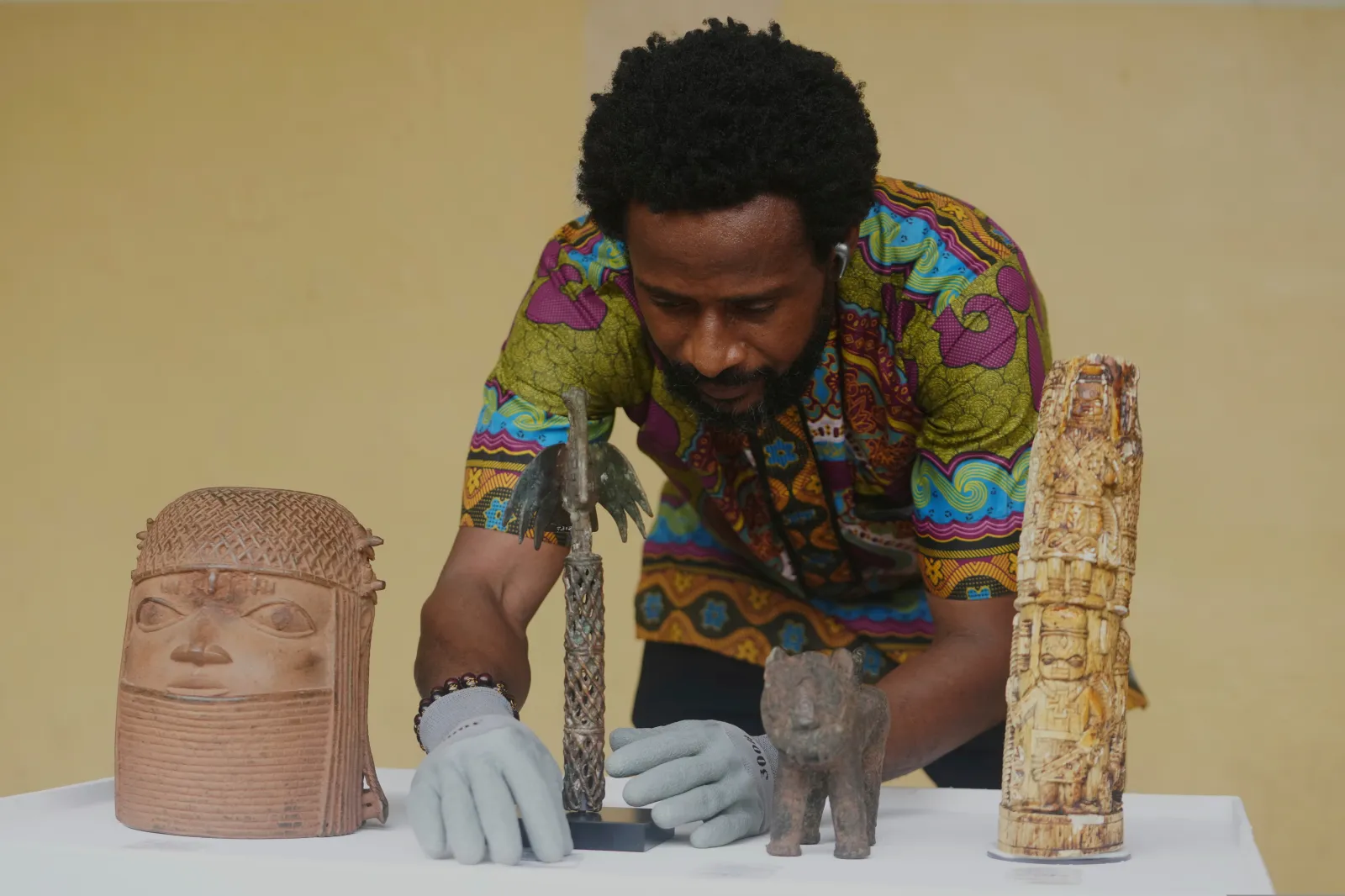
Benin City’s revival is closely tied to its rich history. As the seat of the Kingdom of Benin, the city was renowned for monumental earthworks and extraordinary bronze artistry. Skilled artisans produced plaques, sculptures, and ceremonial objects using advanced lost-wax casting techniques.
These Benin Bronzes chronicled rulers, court life, and spiritual practices, offering a rare insight into the sophistication of the kingdom. In 1897, during colonial rule in southern Nigeria, British forces looted these treasures and destroyed the royal palace, dispersing the artefacts across museums in Europe and America.
Recent restitution efforts have begun to return the bronzes, including transfers from the Horniman Museum in London, the University of Aberdeen, Jesus College Cambridge, the Smithsonian Institution, and several German and Dutch museums.
Modern Benin City now grows alongside this cultural revival. Rural-to-urban migration, education, and industry have fueled the city’s expansion. The University of Benin attracts tens of thousands of students, while sand, rubber, and aluminum production anchor its economy.
State government offices maintain its administrative significance, contributing to a complex urban fabric of planned neighborhoods and informal settlements.
Tracking the City from Space
Satellite imagery offers a vivid record of this transformation. NASA’s Landsat 7 captured the city in 2002 with roughly one million residents, surrounded by farmland, savanna, and forest. By 2025, Landsat 9 shows nearly double the urbanized land, with over 650 square kilometers of vegetation replaced by urban development.
Red laterite roads thread through the cityscape, while remaining lowland forests stand as a reminder of the city’s ecological heritage.
A Legacy That Endures
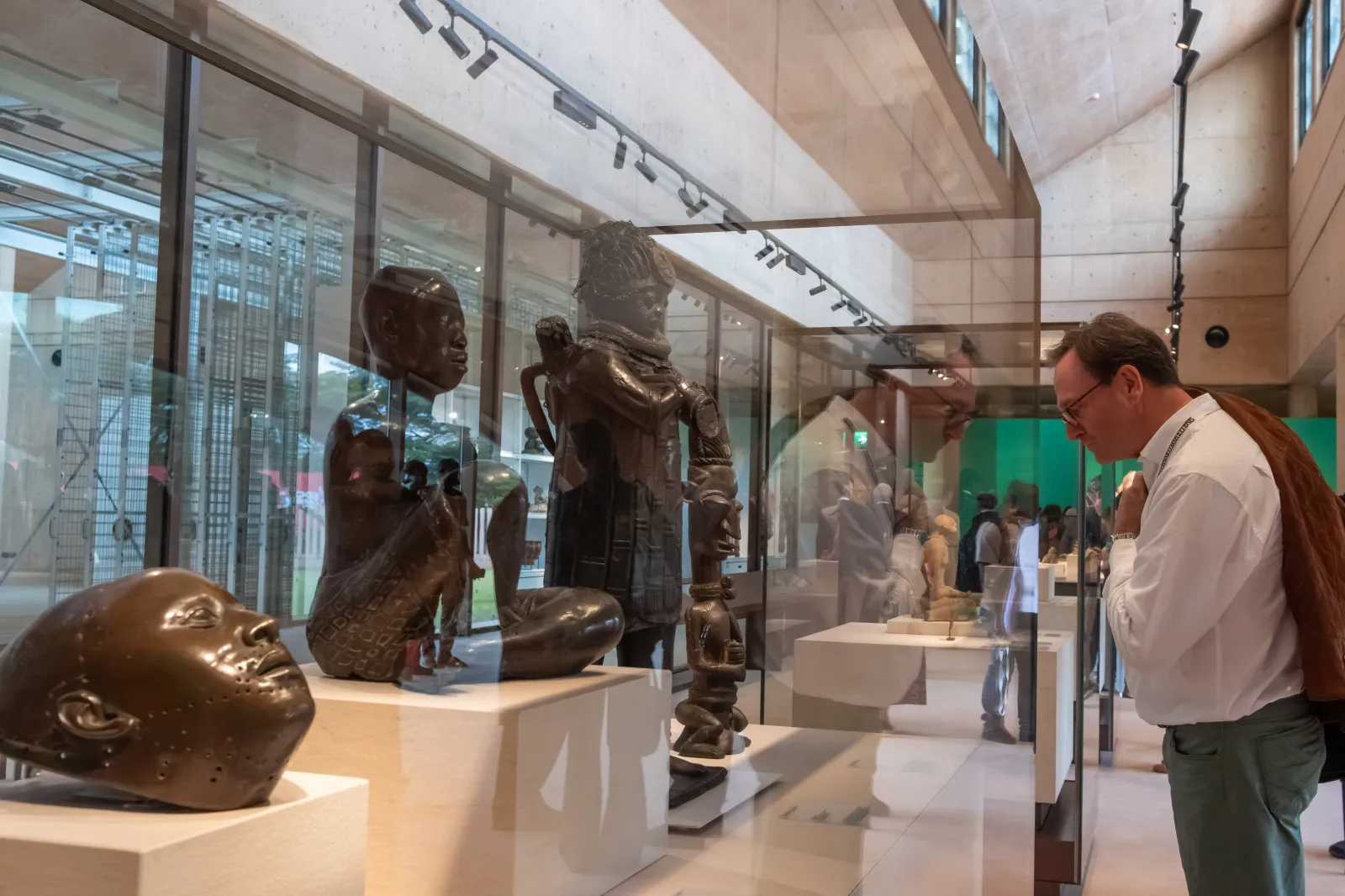
Benin City’s urban growth is also reflected in cultural investments. Last month, the Museum of West African Art (MOWAA) opened its first building on a six-hectare campus designed by British-Ghanaian architect Sir David Adjaye. The museum features exhibition halls, conservation labs, and an archaeological dig, celebrating both the historic Benin Bronzes and contemporary African creativity.
Founded by Phillip Ihenacho, MOWAA is expected to create more than 30,000 jobs and contribute over $80 million annually to the regional economy, reinforcing Benin City’s role as a center of innovation, culture, and urban development.
What Happens Next
As Benin City continues to expand, satellite monitoring and mapping will remain essential tools for urban planning, environmental management, and infrastructure investment. By integrating its historical legacy with modern development, the city illustrates the potential for African urban centers to grow sustainably while honoring the cultural achievements that define their past.