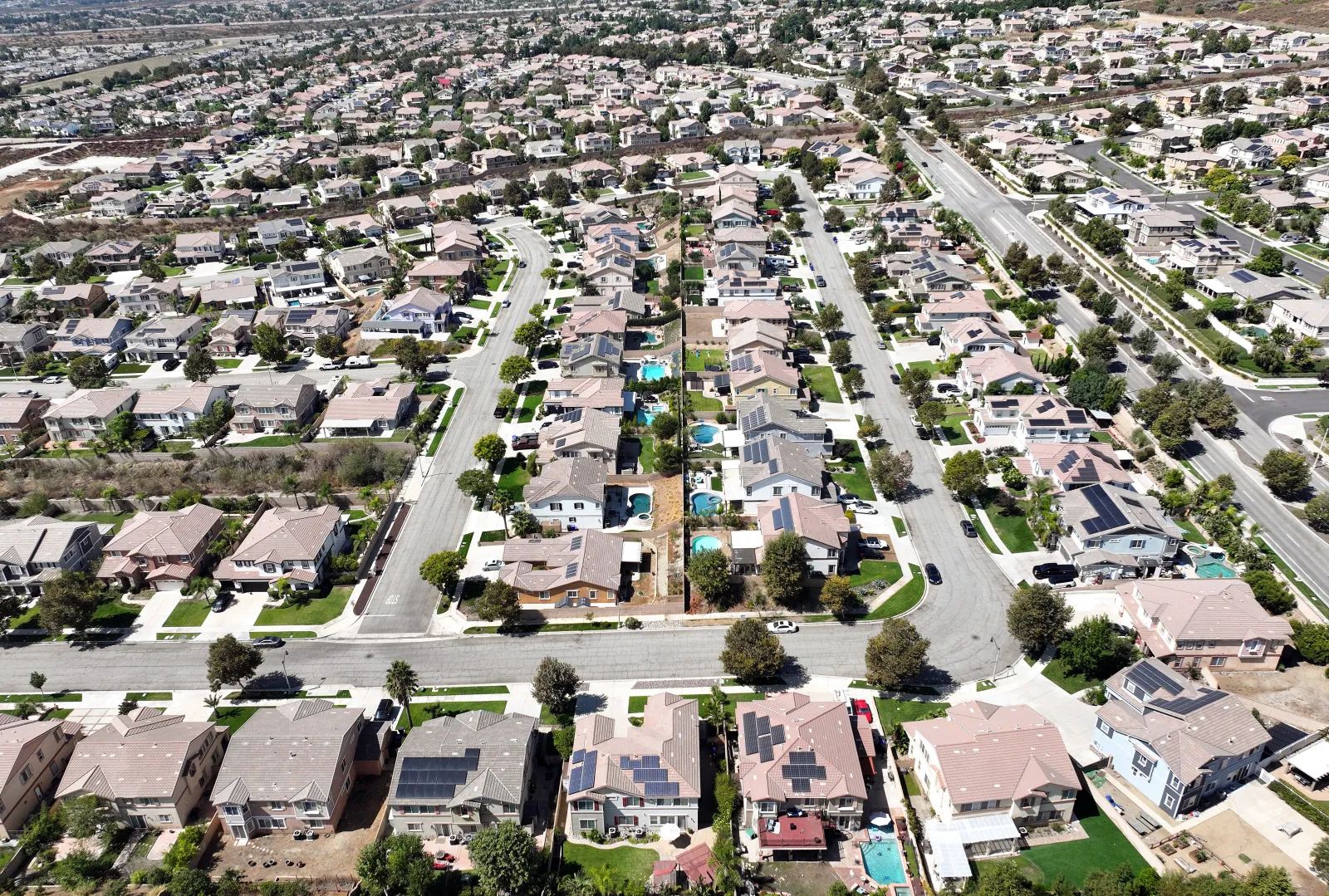
The U.S. housing market now has 37.2 percent more sellers than buyers, according to a new report by Redfin—more than double the gap reported last year, at 17 percent.
In November, there were 529,770 more sellers than buyers across the country, the real estate brokerage reported. It was the largest gap in records dating back to 2013, with the exception of this summer.
Why It Matters
After years of ruthless bidding wars among U.S. buyers for the limited inventory available in the market during the pandemic, things have changed dramatically this year.
The mismatch between sellers and buyers has grown as demand for housing across the country has dwindled because of ongoing affordability issues, and homes for sale have started piling up on the market. According to Redfin, the gap between the two has been hovering above 35 percent since April 2025.
As a result, the U.S. housing market has shifted in favor of buyers—especially in those areas that have experienced the highest jumps in inventory, such as Florida and Texas.
What To Know
A market with over 10 percent more sellers than buyers is to be considered a buyer’s market, according to Redfin, while one with more than 10 percent fewer sellers is a seller’s market. When the gap between the two is around 10 percent, then you have a balanced market.
While for many aspiring homebuyers it might not feel so—especially those in the Northeast, where the housing inventory shortage is still acute—the U.S. housing market has technically been a buyer’s one since May 2024.
All across the country, homebuyers now have more negotiating power than they had during the pandemic years and are able to get discounts and other benefits from sellers and developers. That is, Redfin said, if they can “afford to buy” a home in the first place.
In November, the median sale price of a home nationwide was still rising and was up 0.7 percent year-over-year at $433,175, even as the number of homes sold had dropped by 7 percent year-over-year to 361,973.
While growing inventory should put downward pressure on prices—and the number of homes for sale nationwide was up 5.4 percent year-over-year in November at 1,895,836—many Americans just cannot afford to buy a home right now.
The national average 30-year fixed mortgage rate last month was 6.2 percent, down 0.57 percentage points from a year earlier but still historically high. Property taxes and homeowners association fees are also much higher than they were before the pandemic, and homeowners insurance premiums are still rising.
The map below shows the markets with the biggest gaps between sellers and buyers in November:
Overall, 36 of the 50 most populous metros were buyer’s markets, according to Redfin. Seven were balanced markets and seven were seller’s markets. The buyer’s markets were concentrated in the Sun Belt and on the West Coast, where more inventory has been accumulating in recent months, while balanced markets and seller’s markets could be found more toward the Midwest and East Coast.
What People Are Saying
Redfin Senior Economist Asad Khan said in the report: “A modest improvement in housing affordability could bring some homebuyers off the sidelines in 2026, which could narrow the gap between homebuyers and sellers.
“But the housing market is likely to remain in buyer’s market territory for the foreseeable future, with sellers cutting prices or offering concessions to lure buyers.”
What Happens Next
Sellers are taking notice of the shift that is occurring in the U.S. housing market. Many are reacting by taking their properties off the market and waiting for a better time to sell, while others are opting for not listing their homes at all.
The number of sellers in the U.S. market fell 1.4 percent month-over-month in November to an estimated 1.95 million—the largest decline since June 2023 and the lowest level since February. Year-over-year, however, the number of sellers was up 6.2 percent, according to Redfin.
Sellers’ decision to back off the market could bring the market back in their favor—but the number of buyers is also continuing to drop.
In November, the number of buyers nationwide fell 2.5 percent month-over-month to an estimated 1.43 million—the biggest monthly decline since April 2025 and the lowest level on record aside from April 2020, Redfin said. Year-over-year, it dropped 9.4 percent.