The United States is in a global race to build critical infrastructure, secure affordable and reliable energy, and advance our nation’s technology dominance. Rather than evening the odds, our government has given competing countries a head start by weighing down our permitting system with red tape and paperwork.
But there is good news. The Trump administration, Congress, and the Supreme Court have all acted to cut through the mess known as the National Environmental Policy Act (NEPA).
When the law took effect in 1970, NEPA provided two modest directions. The law created the Council on Environmental Quality (CEQ) to advise the president and consult with federal agencies on environmental matters. It also directed federal agencies to write a public report about the likely environmental effects of major federal actions that significantly impact the environment. Environmental groups and overreaching federal judges, however, weaponized NEPA litigation, turning it into an albatross that generates extensive permitting and infrastructure delays.
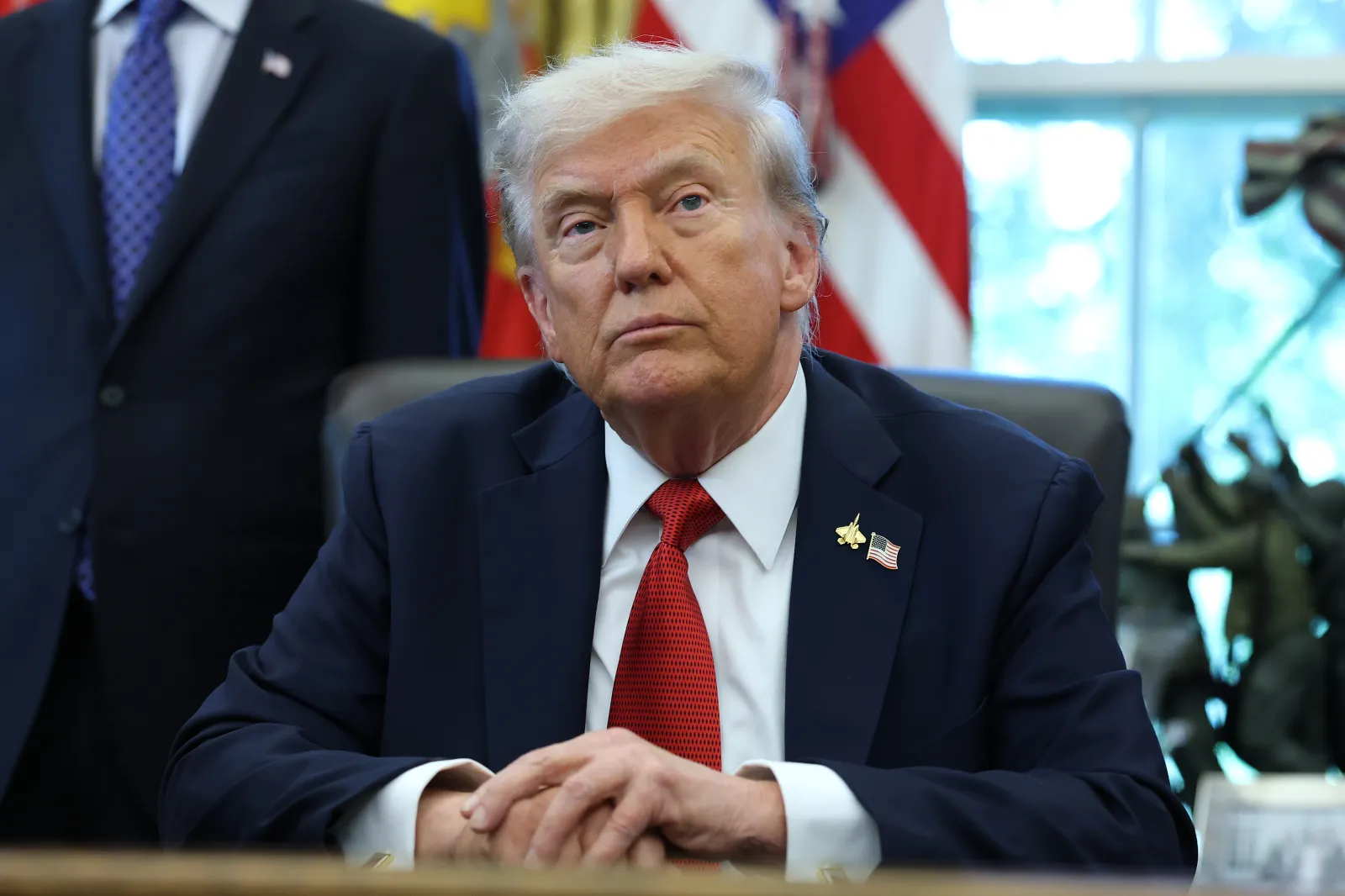
President Trump moved decisively to address the NEPA quagmire, beginning with his Day One Unleashing American Energy Executive Order that directed the CEQ to expedite and simplify the permitting process. He rescinded President Carter’s outdated 1977 Executive Order directing CEQ to issue governmentwide NEPA regulations. Rather than working as an additional regulatory obstacle, President Trump directed CEQ to return to its consultative role, working with Federal agencies as they identify the right approach to complete a NEPA analysis for their individual permitting functions.
CEQ quickly rescinded its NEPA regulations by publishing an “interim final rule” on February 25, 2025, which became effective on April 11, 2025. By June 30, 2025, key permitting agencies across the Federal government revised their procedures, promoting efficiency and certainty while eliminating delays and ambiguity in their environmental review and permitting processes. Last week, CEQ issued a final rule that reaffirms the removal of its NEPA regulations and responds to comments it received. With this action, the Trump administration is unleashing American energy and getting our country moving again.
These reforms in part implement Congress’s codification of President Trump’s 2020 NEPA amendments in the BUILDER Act. In that law, Congress provided deadlines and page limits, clearer procedural guardrails, and important exclusions from the NEPA processes. Only under President Trump’s leadership have the agencies actually implemented and aligned their procedures with these reforms. Unlike the Biden administration’s attempt to skirt Congress’s direction, the Trump administration is faithfully carrying it out and implementing the law.
The Supreme Court identified the need to restore common sense to the permitting process. In May 2025, the Court issued its landmark decision in Seven County Infrastructure Coalition v. Eagle County. There, the Court repeatedly chastised lower courts and environmental groups for abusing the process. As the case illustrates, the government spends an enormous sum of money and time protecting its decisions from litigation risk, analyzing effects and infeasible alternatives far afield of the project before it. The Court rightly identified NEPA litigation as a major cause of delaying and denying needed infrastructure projects. It made clear that courts must defer to agency expertise. All nine Justices agreed loud and clear: we can’t go back to the old, endless-delay way of doing things.
Congress and the Judiciary also have some choices. They can support the democratically elected Administration’s work and support the authorization of dearly-needed projects, or they can reject additional, appropriate reforms, and cede power to cynical litigants and their lawyers. Following President Trump’s example, Congress should pass further beneficial corrections to the permitting process, and lower courts should follow the Supreme Court’s Seven County command: “the central principle of judicial review in NEPA cases is deference.”
While some decision points to fix the NEPA process are left to Congress and the Judiciary, President Trump is leading a bold vision to further modernize the permitting process and rapidly deregulate so we can start building now. This vision reflects a simple truth: while China breaks ground on critical infrastructure, the U.S. can’t be stuck doing paperwork. To this end, the administration is tirelessly working on other areas to cut red tape while fostering exceptional stewardship of the environment.
Katherine Scarlett is the 13th Chairman of the White House Council on Environmental Quality.
The views expressed in this article are the writer’s own.