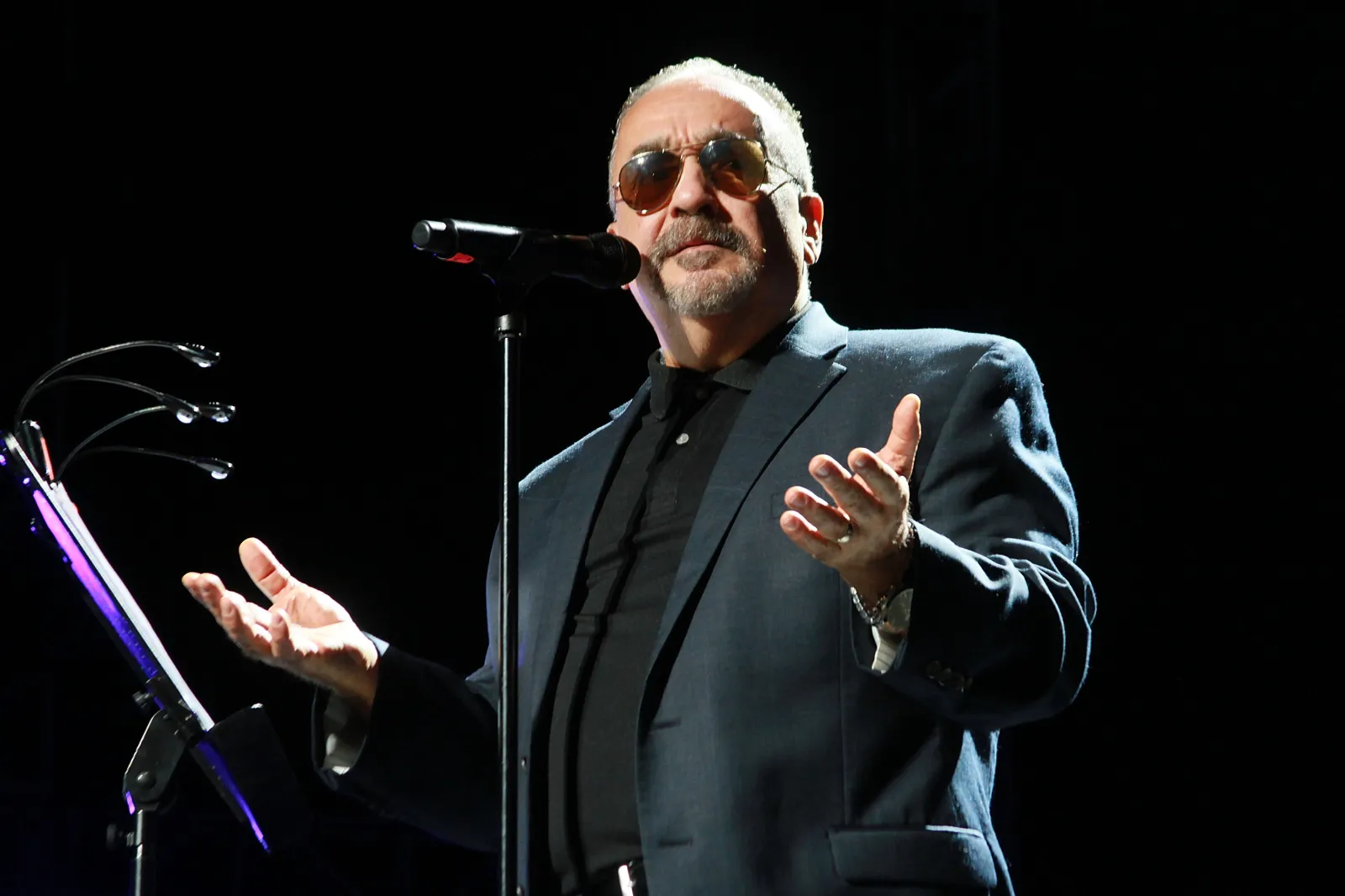
Willie Colón, one of the most celebrated and influential figures in Latin music history, died Saturday at the age of 75. His death was confirmed by his longtime manager, Pietro Carlos, in a Facebook post Saturday.
No cause of death has been publicly disclosed.
A Giant Life and Career
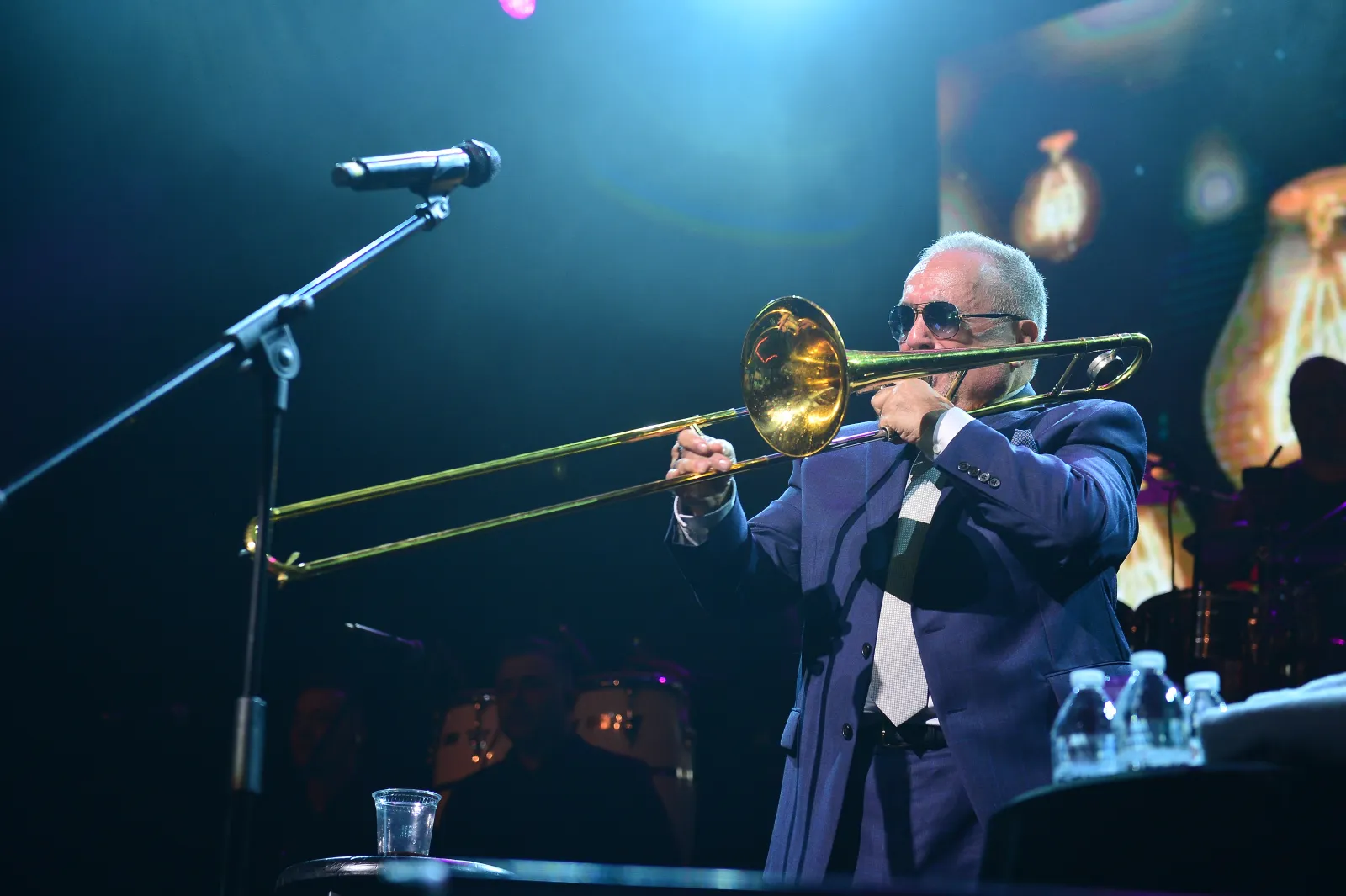
Born William Anthony Colón Román in the Bronx to Puerto Rican parents, Colón was raised by his grandmother and aunt, who introduced him to traditional Caribbean and Latin American music from an early age. He picked up a trumpet at 11 — a gift from his grandmother — and gravitated quickly toward the trombone, which became his signature instrument.
Billboard reports that Colón was signed to Fania Records at just 15 years old, with label founders Johnny Pacheco and Jerry Masucci recognizing his potential and putting him to work producing his own albums as well as those of other artists. His mother, a high school graduate, served as his business representative when he signed his first deal for $500.
His celebrated collaboration with Rubén Blades, Siembra, released in 1978, remains the biggest-selling salsa album of all time, according to Billboard. It was Colón who first introduced Blades to the world on the 1977 album Metiendo Mano, which launched what would become known as socially conscious salsa — music whose message extended beyond the dance floor.
Among his other landmark works are “Ché Ché Colé” and “Aguanile,” recorded with Héctor Lavoe, and the album Celia and Willie alongside Celia Cruz.
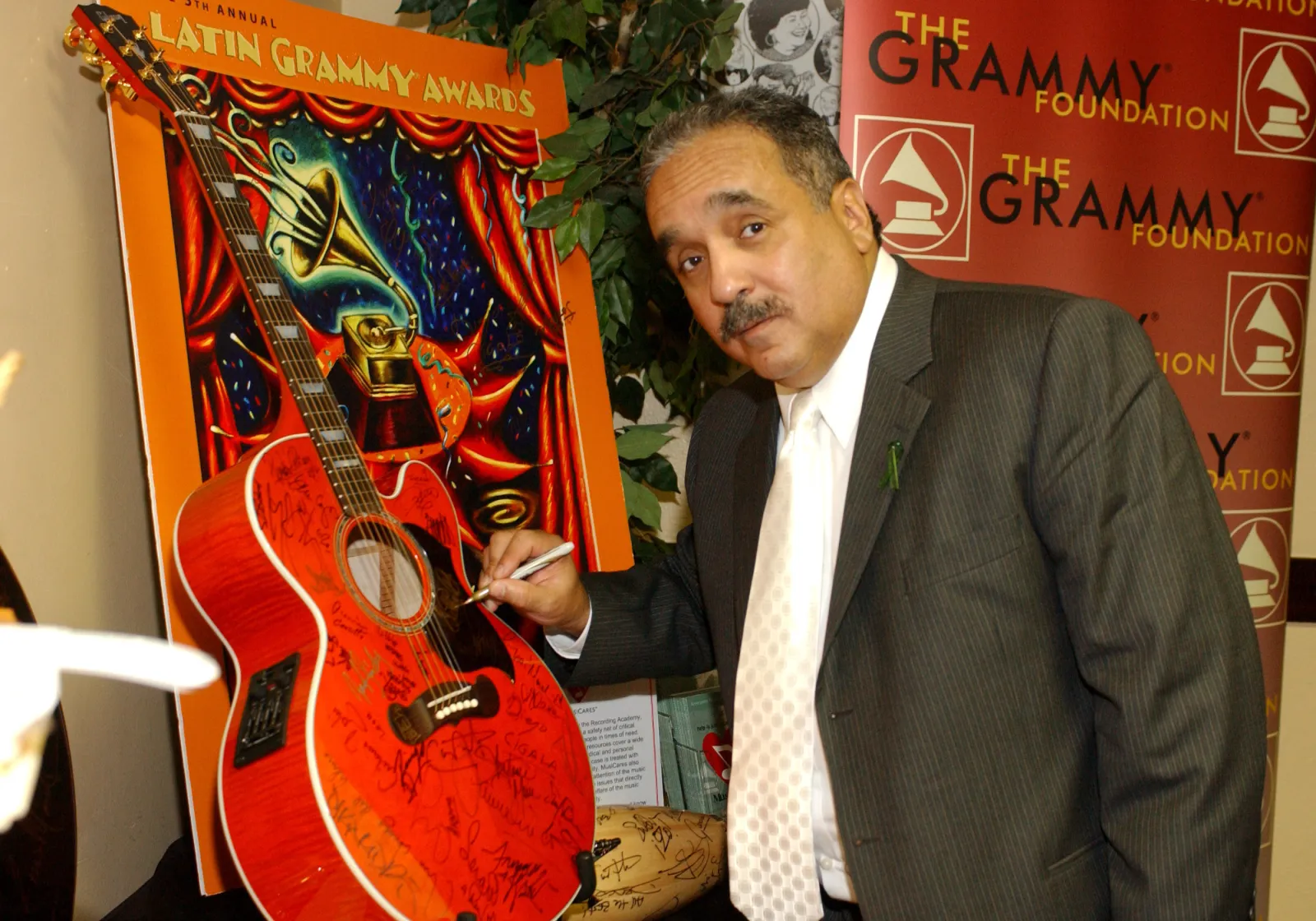
His influence has spanned generations. Billboard notes that Rauw Alejandro’s acclaimed 2024 album Cosa Nuestra was directly inspired by Colón’s 1970 album of the same name. Colón was inducted into the International Latin Music Hall of Fame in 2000, received a lifetime achievement award from the Latin Recording Academy in 2004, and was inducted into the Latin Songwriters Hall of Fame in 2019. In 2015, Billboard included him in its list of the 30 most influential Latin acts of all time.
Beyond music, Colón was deeply embedded in public life. He served as a special assistant to New York Mayor David Dinkins and later as an adviser to Mayor Michael Bloomberg and was affiliated with several civil rights and community organizations.
In 1991, Yale University honored him with the Chubb Fellowship for public service — a distinction previously given to John F. Kennedy and Jesse Jackson.
How Colón Transformed Latin Music and Culture
Colón was not simply a musician — he was a cultural architect.
Over a career spanning more than 40 albums and 30 million copies sold worldwide, he fused jazz, funk, soul, R&B and traditional Latin rhythms into a sound that gave the salsa genre its urban identity. His work brought Latin music to audiences and stages that had never encountered it before, while using the genre as a vehicle for social commentary and civil rights advocacy.
According to Billboard, there is perhaps no other musician from the fabled Fania empire who so epitomized the salsa sound that propelled Latin music in the 1970s. Colón was a quadruple threat — writing, arranging, producing and performing his music with unmatched creative vision.
What People Are Saying
Pietro Carlos, Colón’s manager, via Facebook: “Willie didn’t just change salsa; he expanded it, politicized it, clothed it in urban chronicles, and took it to stages where it hadn’t been heard before. His trombone was the voice of the people, an echo of the Caribbean in New York, a bridge between two cultures.”
Rubén Blades, longtime collaborator, via X: “I have just confirmed what I resisted believing: Willie Colón has indeed passed away. To his wife Julia, his children, family, and loved ones, I send my heartfelt condolences. Later on and with calm, I will write about Willie and his vital and important musical legacy.”
Bruce McIntosh, VP of Latin Catalog at Craft Recordings, per Billboard: “Willie was much more than an iconic artist; he was a true visionary that forged a new genre of Latin music that we all love today called Salsa. His legacy is etched into the very soul of Latin culture. He will forever be ‘El Maestro.'”
Rauw Alejandro, via Instagram: “Your art inspired me and guided me. It taught me that culture can be modern, that creativity has no limits, that what’s popular can be sophisticated and that music, when made from a place of truth, lasts forever.”
What Happens Next
Funeral arrangements have not yet been publicly announced. Colón is survived by his wife and four sons.