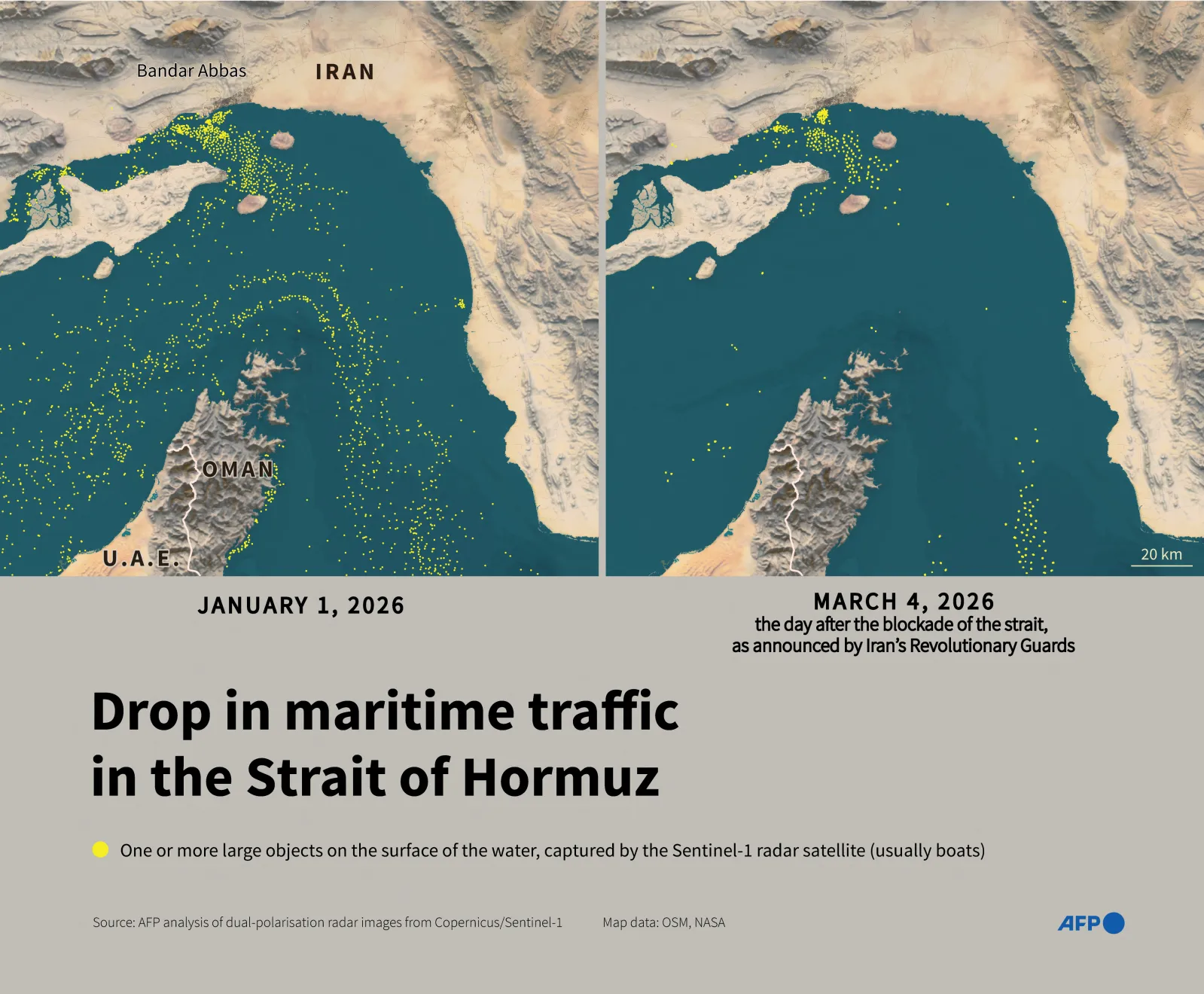
Iran’s vast oil reserves could play a key role in easing global pressure as oil and gas prices start to rise sharply worldwide following the closure of the Strait of Hormuz this week.
“Ultimately, we’re not going to have to worry about these issues in the Strait of Hormuz because we’re going to get all of the oil out of the hands of terrorists,” Jarrod Agen, executive director of the National Energy Dominance Council, said during an appearance on FOX Business.
Newsweek reached out to the White House by email outside of normal business hours on Saturday morning for comment.
Why It Matters
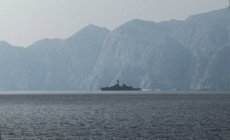
Iran significantly closed the Strait of Hormuz in retaliation for U.S.-Israeli joint strikes that started last Saturday that killed Supreme Leader Ayatollah Ali Khamenei. The closure has tilted the oil and gas markets, with supplies now strained and nations scrambling to determine a backup plan. Iraq’s Ministry of Oil said Tuesday it would stop production in a key oil field because of disruptions in the strait.
The closure has also caused crude oil prices to surge worldwide, with Brent crude hitting $92 a barrel. President Donald Trump, on Friday, addressing concerns over a consequent rise in gas prices, said: “They’ll drop very rapidly when this is over, and if they rise, they rise, but this is far more important than having gasoline prices go up a little bit.”
What To Know
The White House position on Iran’s oil and its ultimate fate first surfaced on Friday when White House press secretary Karoline Leavitt appeared on Fox News, discussing the potential energy impacts of the war, which the administration has termed “Operation Epic Fury.”
“The goals of Operation Epic Fury will be a very good thing for the energy, and oil markets, and oil prices across the globe in the long-term, when you no longer have a terrorist regime that is restricting the free flow of energy through the Strait of Hormuz and to the rest of the world,” Leavitt said, adding the White House is taking “tangible actions” to help alleviate the energy crisis that has resulted from Iran’s actions.
Energy Secretary Chris Wright said Friday the U.S. military is prepared to escort commercial vessels through the Strait of Hormuz once conditions are “reasonable,” offering the strongest indication yet Washington may intervene directly to stabilize global energy flows.
President of the National Energy Domain Council (NEDC) Doug Burgum visited Venezuela earlier this week in an effort to revive diplomatic and consular relations between the two nations following the U.S.’s ousting of Venezuelan President Nicolás Maduro in January, which Leavitt said would factor into the U.S. strategy to deal with the energy crisis.
“This is a long-term game, because what we want to do is get such massive oil reserves in Iran out of the hands of terrorists. And so, what we’re going to experience here in the short term is highly outweighed of the long-term benefit,” Agen said during his Saturday interview appearance on FOX Business.
The U.S., in order to help deal with the “short term” issues, provided India a 30-day waiver to buy Russian oil that is currently stranded around the Strait of Hormuz. Meanwhile, Treasury Secretary Scott Bessent called the decision a “deliberate short-term measure” to keep the global market from feeling further strain—of which the BBC reported there are potentially millions of barrels of oil stranded near the chokepoint.
Bessent, during his appearance on FOX Business, said: “There are hundreds of millions of sanctioned barrels of sanctioned crude on the water, and, in essence, by unsanctioning them, the Treasury can create supply, and we are looking at that. We’re going to keep a cadence of announcing measures to bring relief to the market during this conflict.”
In a polarized era, the center is dismissed as bland. At Newsweek, ours is different: The Courageous Center—it’s not “both sides,” it’s sharp, challenging and alive with ideas. We follow facts, not factions. If that sounds like the kind of journalism you want to see thrive, we need you.
When you become a Newsweek Member, you support a mission to keep the center strong and vibrant. Members enjoy: Ad-free browsing, exclusive content and editor conversations. Help keep the center courageous. Join today.