A personal trainer who had to watch his mom gradually fade away due to frontotemporal dementia has been faced with his own devastating reality following a genetic test.
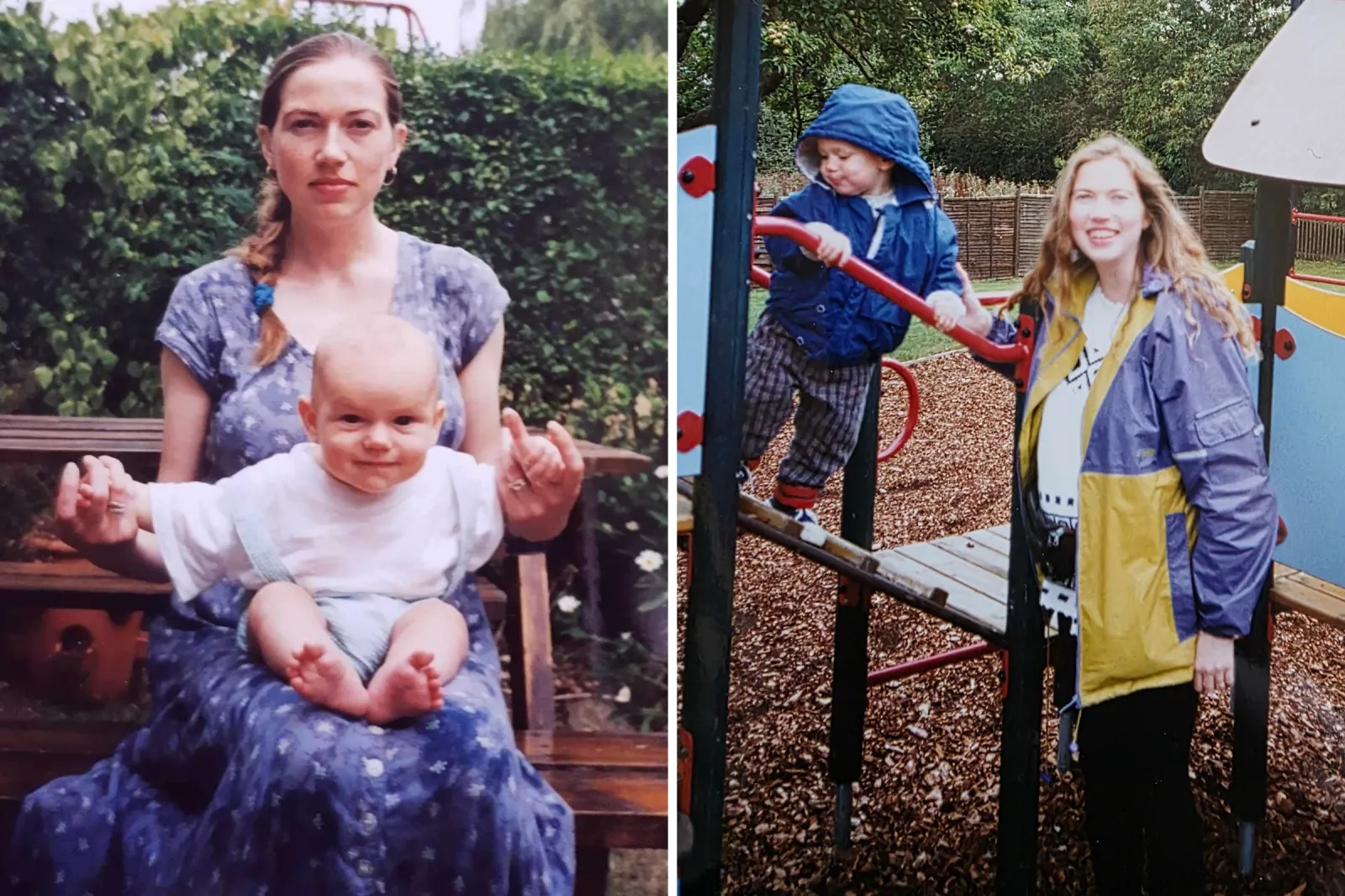
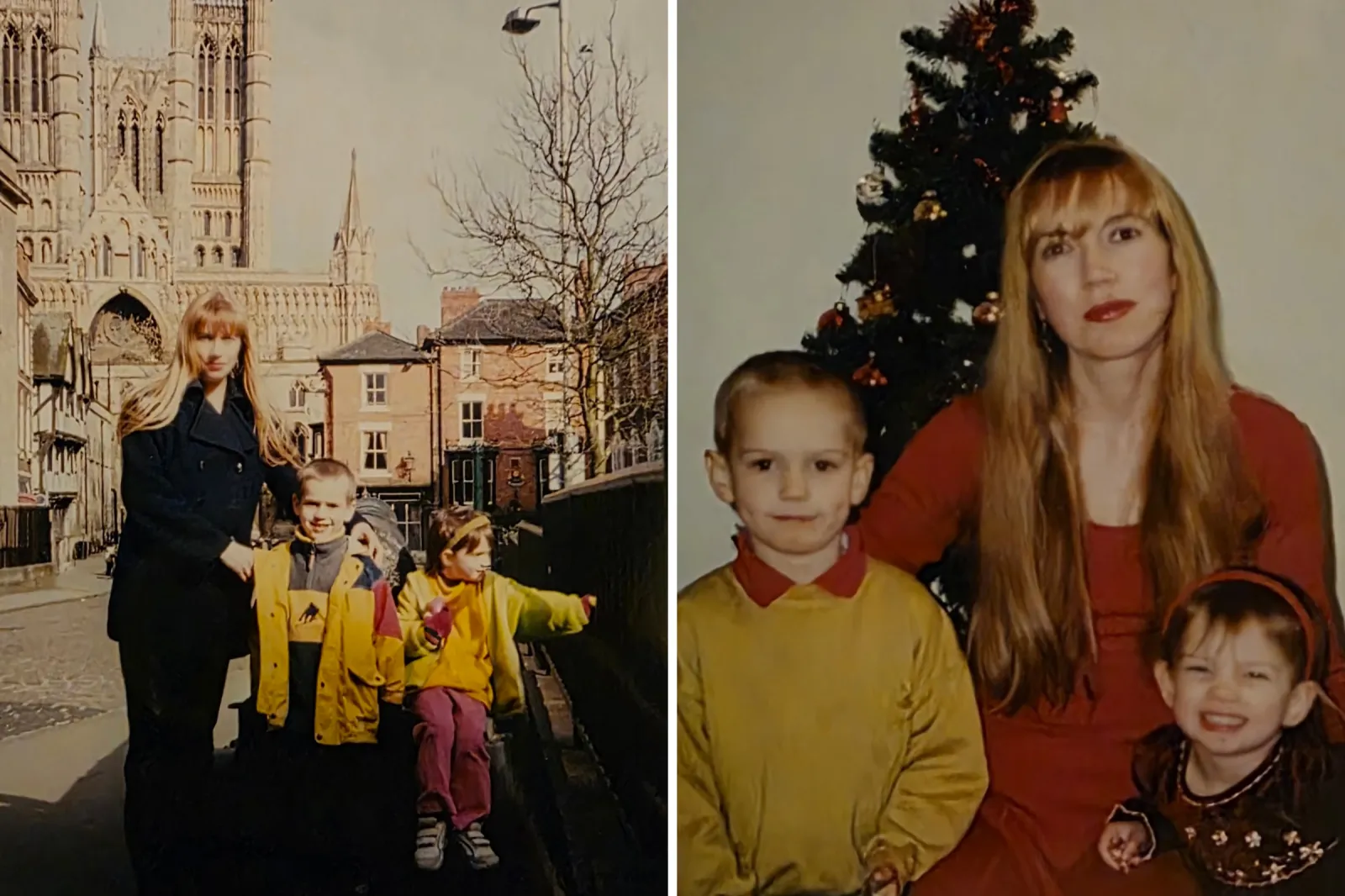
For more than a decade, James Vasko, 31, observed subtle changes in his mom’s behavior and mannerisms, ranging from her presence to her speech. Maria Vasko was always so organized and comforting to the people around her, whether that was her children or the students she taught at work. But, over time, starting in her forties, she became less organized and less concerned by things that would usually matter to her.
James, from Hertfordshire, in the U.K., told Newsweek that his mom became “quieter and less expressive,” and she would get fixated on specific routines. It was emotionally challenging for James to see, but it all started to make sense when she received a diagnosis of frontotemporal dementia (FTD) aged 55.
“In many ways, it felt as if the disease had been taking parts of her long before she passed away,” James said. “At the time, it was difficult for me to understand emotionally. We watched her slowly fade away while knowing there was nothing that could be done to stop it.
“She gradually stopped doing housework and became less engaged with many of the day-to-day responsibilities she had previously managed with ease. Rather than adapting her habits, she became increasingly fixed, often repeating the same patterns and showing less flexibility.”
As the disease progressed, she gradually lost much of her vocabulary, ultimately leading to a complete loss of speech.
Maria died on May 25, 2025 at the age of 63.
After the tragic loss of his mom at such a young age, James was faced with a difficult reality of his own. He was offered a blood test for the abnormal repeat expansion in the C9orf72 gene, which is the most frequent cause of FTD and amyotrophic lateral sclerosis (ALS).
It was a terrifying prospect for James, but he took the test in November 2025. Rather than running away from the truth, it was important for him to face up to it.
“I was terrified of what the result might mean for me, my partner, and any children we may have. It felt like if I had the gene, I might never be able to mentally move away from the pain of losing my mum to the same disease,” James said.
“Whatever the result, taking the test made sense. If it had been negative, I would no longer have had to carry that question for the rest of my life, wondering whether it was waiting for me or if I would pass it on.”
James received the results on December 18, confirming that he has a high risk of developing C9orf72 related FTD or ALS. It was a heartbreaking moment for the millennial, who felt as if he had been given a death sentence.
Having watched his mom lose her life to FTD, James had to live with the fact that he could one day go through that, too. But, through the devastation, he also felt a sense of clarity and direction for the future he wants to create.
“It felt like looking into the future in a way that most people never have to. It felt like I was facing a hidden enemy, without any certainty of how the future would unfold. At the same time, it gave me a sense of clarity and determination to live with more purpose while I still have the chance,” James said.
What Is Frontotemporal Dementia?
FTD is a group of brain diseases that affect the areas of the brain associated with personality, behavior and language. The Mayo Clinic explains that FTD tends to occur at a younger age than Alzheimer’s, often beginning between 40 and 65 years old.
Behavioral changes caused by FTD include inappropriate social behavior, loss of empathy, lack of judgment, lack of interest and compulsive behaviors. Speech and language are commonly affected also, as individuals with FTD may have trouble naming things or exhibit hesitant speech.
Seeing how the disease affected his mom was awful for James, and it was hard to accept at times. But, once he realized that she was still his beloved mom, he tried harder to be present and spend more time with her while he still could.
“Genetic conditions can have a far wider impact on families than many people realize,” James told Newsweek. “For many, these diseases do not just affect one person; they shape the lives of whole families for years
“I spent more time with my mom, talked to her, sat beside her, and interacted with her even when it felt difficult. Those moments gave me some of the most meaningful memories I have. She would hold my hand, fall asleep on my shoulder, and, occasionally, I would even get the rare word from her. It made me realize that she was still there, just behind the cloud of the disease.”
Raising Awareness for FTD
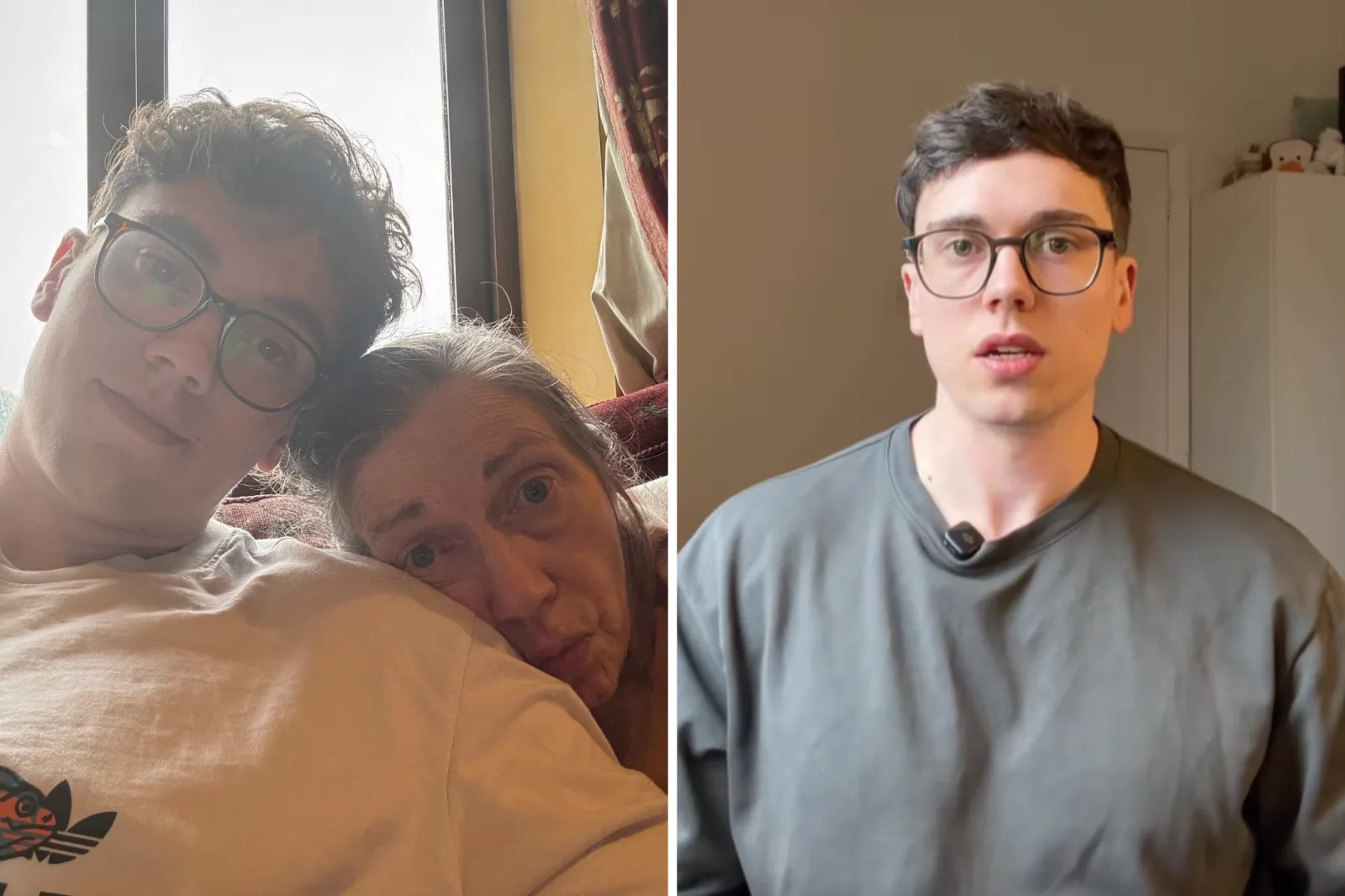
Upon learning that he is at risk of developing FTD, it felt important for James to share his important message. He posted a video on TikTok (@jamesvasko) to detail his experience and to show that diseases like dementia don’t just impact older individuals.
James said: “Sharing my story was also a way of fighting back. It helped me feel that I was not simply waiting for the future but doing something meaningful with the time I have. Even when a situation feels overwhelming, there can still be ways to respond, learn, and take control.”
Moving forward, James hopes to share how fitness, lifestyle and overall health can be pivotal for supporting long-term brain health. He has gained a whole new perspective on life and an appreciation for what he has. The future isn’t guaranteed, so, if people take anything from James’ story, it is not to take things for granted.
After all, why not enjoy life while you have the chance?
“Appreciate your mind and what it allows you to experience, learn, and understand. These abilities are extraordinary, and they are not guaranteed forever,” James said.
Is there a health issue that’s worrying you? Let us know via health@newsweek.com. We can ask experts for advice, and your story could be featured on Newsweek.