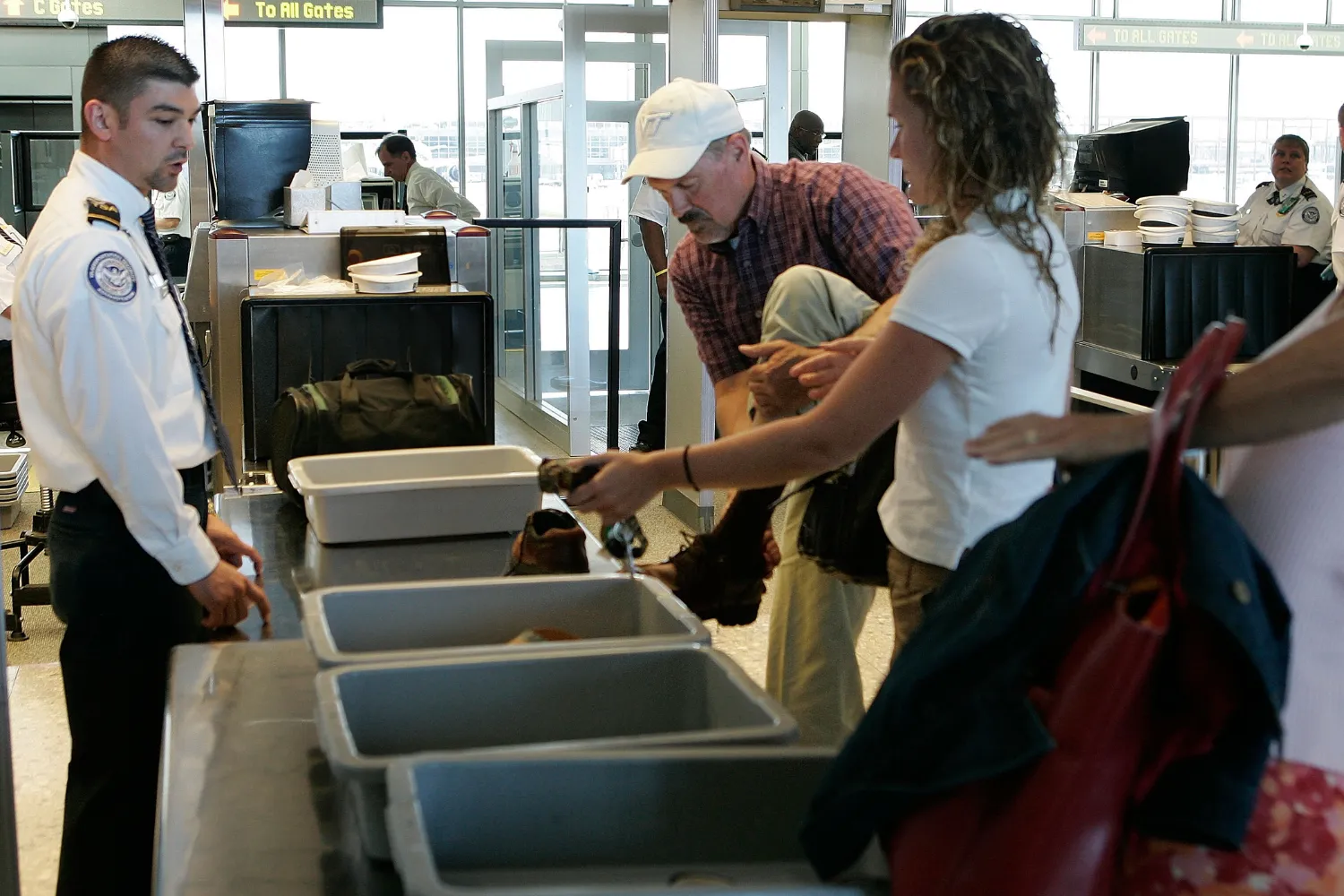
As travelers carry more of their personal and professional lives on smartphones and laptops, border searches of electronic devices have become a growing concern worldwide. Recent warnings from U.S. officials about new rules in Hong Kong have renewed attention on where border agents can legally search phones—and what happens if travelers refuse.
Laws vary widely by country. In some places, refusing to unlock a device can lead to fines, detention, or even criminal charges. In others, authorities can search devices but cannot prosecute travelers solely for refusing to hand over passwords.
Here is what official government guidance says about the countries where border agents can search electronic devices.
Hong Kong
Hong Kong now has one of the most-expansive digital‑search regimes affecting travelers.
A March 26 security alert from the U.S. Consulate General in Hong Kong and Macao said that police can require individuals to provide passwords or decryption assistance to access personal electronic devices, including phones and laptops. Refusing to comply is now a criminal offense under updated rules tied to Hong Kong’s National Security Law.
The advisory says the change applies to everyone in Hong Kong, including tourists and travelers who are only transiting through Hong Kong International Airport. Authorities also have expanded powers to seize and retain devices if they claim they are linked to national security offenses.
New Zealand Customs officers have the legal authority to search electronic devices at the border, though searches are relatively rare.
Official guidance from the New Zealand Customs Service states that officers may examine phones, laptops, and other electronic devices if they have reasonable suspicion of criminal offending. Travelers can be required to provide access information, such as passwords, to allow the search to proceed.
There are penalties for refusing to give access, including fines of up to NZ$5,000 [$2,855] under New Zealand law. Customs officials say the vast majority of travelers are not subjected to device searches.
United States
U.S. border agents can search electronic devices under long‑standing border search authority.
U.S. Customs and Border Protection (CBP) says officers may search phones, laptops, cameras, and other electronic devices at ports of entry without a warrant. These searches can be conducted as part of routine inspections at airports, land crossings and seaports.
However, CBP policy makes clear that refusing to provide a password is not itself a criminal offense under U.S. law. Devices may still be detained or seized for further inspection, and non‑citizens who refuse access may face additional immigration consequences.
U.S. government travel advisories warn that travelers to mainland China should expect limited digital privacy.
The U.S. State Department says Chinese authorities have broad discretion to enforce local laws and may inspect or access data stored on phones and computers. Officials warn that documents, messages, and other digital content can be reviewed, particularly in cases involving national security concerns.
The advisory does not specify uniform procedures at the border but warns travelers that electronic data may be accessed and that enforcement can be arbitrary.
Travel advisories for Russia also warn of limited expectations of privacy for electronic communications.
The U.S. State Department cautions that Russian authorities may inspect or seize electronic devices and monitor communications. Travelers are warned that enforcement of local laws can be unpredictable and that foreign nationals may be questioned or detained based on information found on electronic devices.
Officials advise travelers to assume there is little digital privacy while in Russia.
Canada
Canada has some of the clearest official rules governing electronic device searches at the border.
The Canada Border Services Agency (CBSA) states that officers can examine personal digital devices under the Customs Act. Travelers are obligated to provide passwords when asked so officers can access the device.
If a traveler refuses, the device may be detained or seized. CBSA guidance says officers typically disable network connectivity during examinations so only data stored on the device can be reviewed.
Australian Border Force officers also have authority to examine electronic devices at the border.
Under Australia’s Customs Act, Border Force can examine goods entering or leaving the country, including phones and laptops. Travelers may refuse to unlock devices, but the devices can still be seized and examined under border powers.
According to Australian officials, refusal can lead to detention or escalation to law enforcement agencies, particularly if officers believe the device contains evidence of illegal activity.
What Travelers Should Know
Digital search powers differ significantly from country to country. In some jurisdictions, refusing to unlock a phone may carry civil penalties or criminal consequences, while, in others, it may lead to device seizure or travel delays rather than prosecution.
U.S. officials generally advise travelers to review destination‑specific guidance before traveling and to understand that privacy protections abroad may differ sharply from those at home.