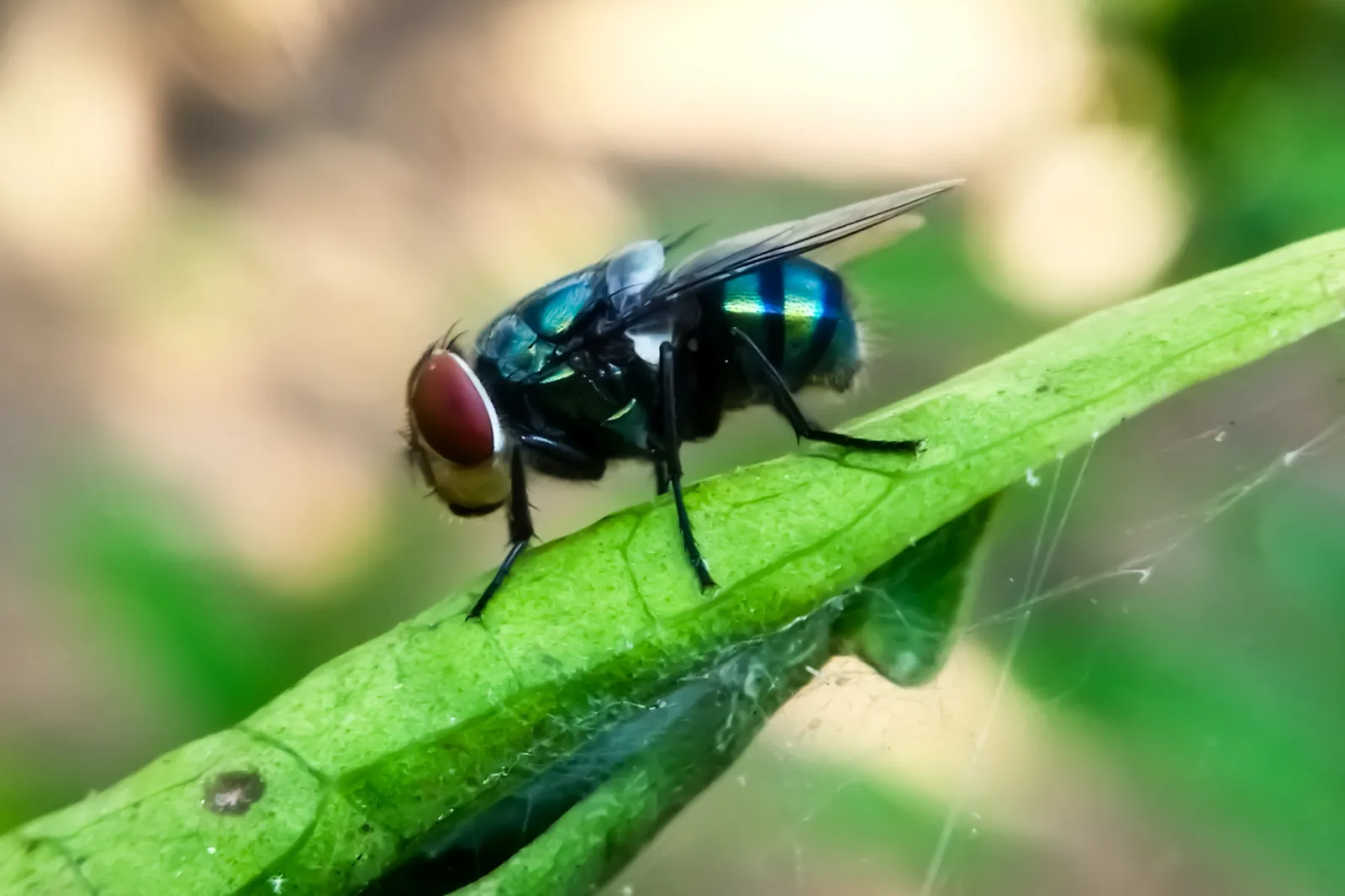
A flesh-eating parastic fly is inching back ever-closer to the United States border as funding for surveillance of the worm was withdrawn.
The New World screwworm (Cochliomyia hominivorax) is a parasitic fly that lays eggs in the open wounds and orifices of live animals, including humans.
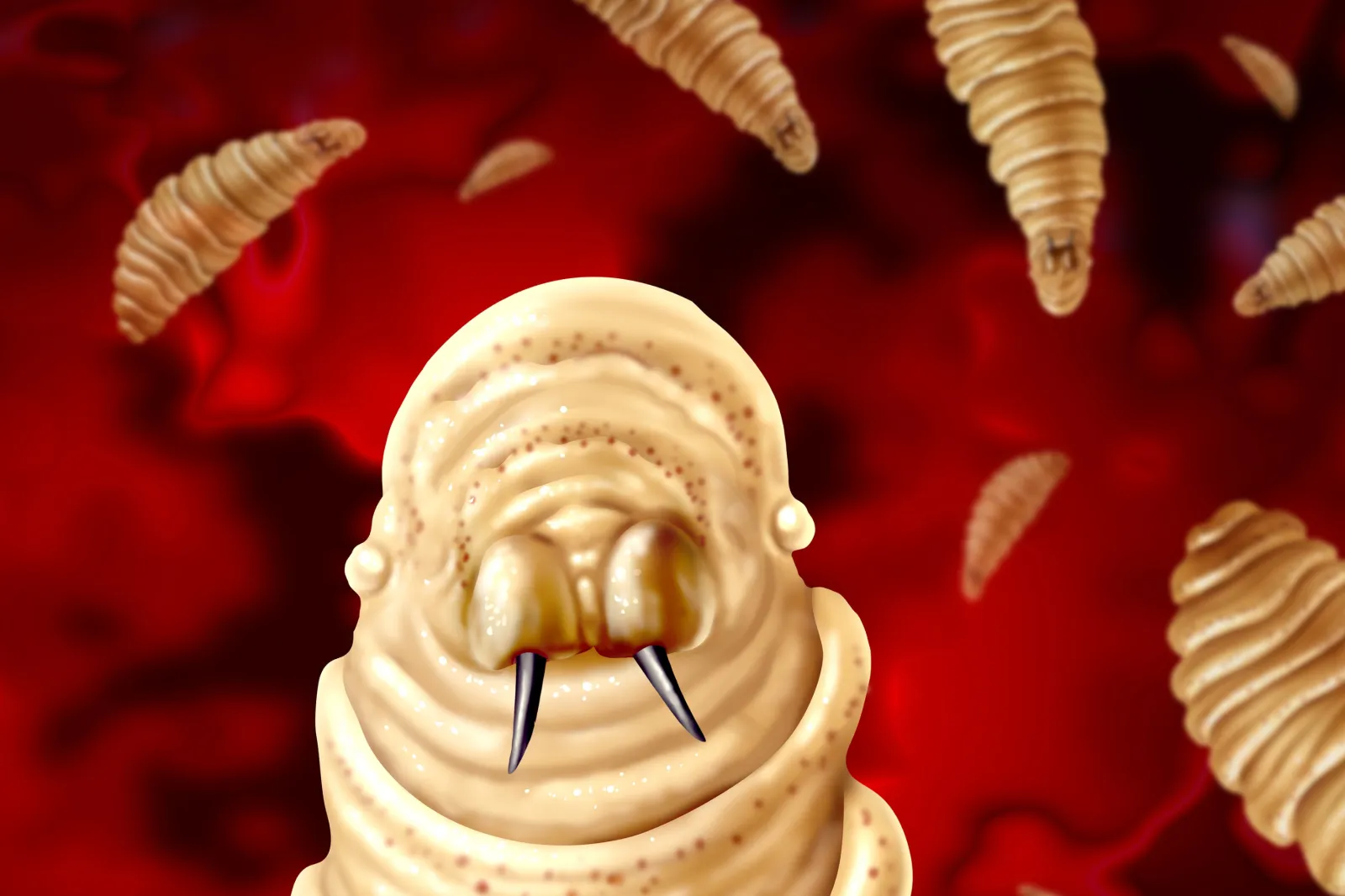
Once hatched, the maggots eat the animal’s flesh, leaving further lesions and wounds, which can kill the host.
The New World screwworm had previously been eradicated within the U.S. in 1966, with just occasional but devastating incursions into the US, including in deer in 2016. But in recent years, cases have spiked in Central America.
The screwworm has now been confirmed across Mexico—including in two Mexican states, Tamaulipas and Nuevo Leon, which share a border with Texas.
According to biologist professor Richard Wall of the University of England, writing in the Conversation, there are several likely reasons for growing spread of screwworm: surveillance and prevention is expensive, and it comes at a time of U.S. federal budget cuts and reduced foreign aid that have weakened surveillance and impacted screwworm control programs in Central America.
The U.N.’s global health security program reduced its screwworm surveillance after U.S. funding was withdrawn in March 2025, however new federal funding for screwworm control has since been announced.
A report from the Animal and Plant Health Inspection Service at the U.S. Department of Agriculture (USDA) warns the screwworm is a “devastating pest” that can cause “serious, often deadly damage to animals and people where the pest spreads.”
The report clarifies that the screwworm is not currently present in the U.S., but that the USDA is “leading an aggressive national, One Health response to keep the [screwworm] out of our country,”.
The federal department is urging anyone to contact a veterinarian if they see any suspicious wounds, maggots or infestations in a herd. Anyone who believes they may be infested with screwworm should contact their health provider.
Beef producers in the southern states of the U.S. had experienced heavy losses after infestations of cattle before the 1950s, and in 1935, there were an estimated 230,000 cases in livestock—and 55 in humans—in the state of Texas alone.
Eradication efforts made a major difference in the second half of the 20th century. The fly had been eradicated using the so-called sterile insect technique, where a vast number of the species was bred and sterilized with radiation.
The sterilized males were then releasedto mate with wild females, producing no offspring and helping to reduce the population.
However, Wall warns, warns the current outbreaks may not be as easily controlled, as the sterile insect technique works best on isolated populations.
The U.S. Centers for Disease Control and Prevention (CDC) warns that people are at a higher risk if they live in, or travel to areas where screwworm flies are found.
Symptoms include seeing or feeling maggots move within a skin wound or sore, or in the ears, nose, eyes or mouth.
The parasite causes painful skin wounds or sores that worsen within a few days, a foul-smelling odor from the site of the infestation and bleeding from open sores. Infection of the wounds can also cause symptoms like fever or chills.
Do you have a tip on a science story that Newsweek should be covering? Do you have a question about parasites? Let us know via science@newsweek.com.