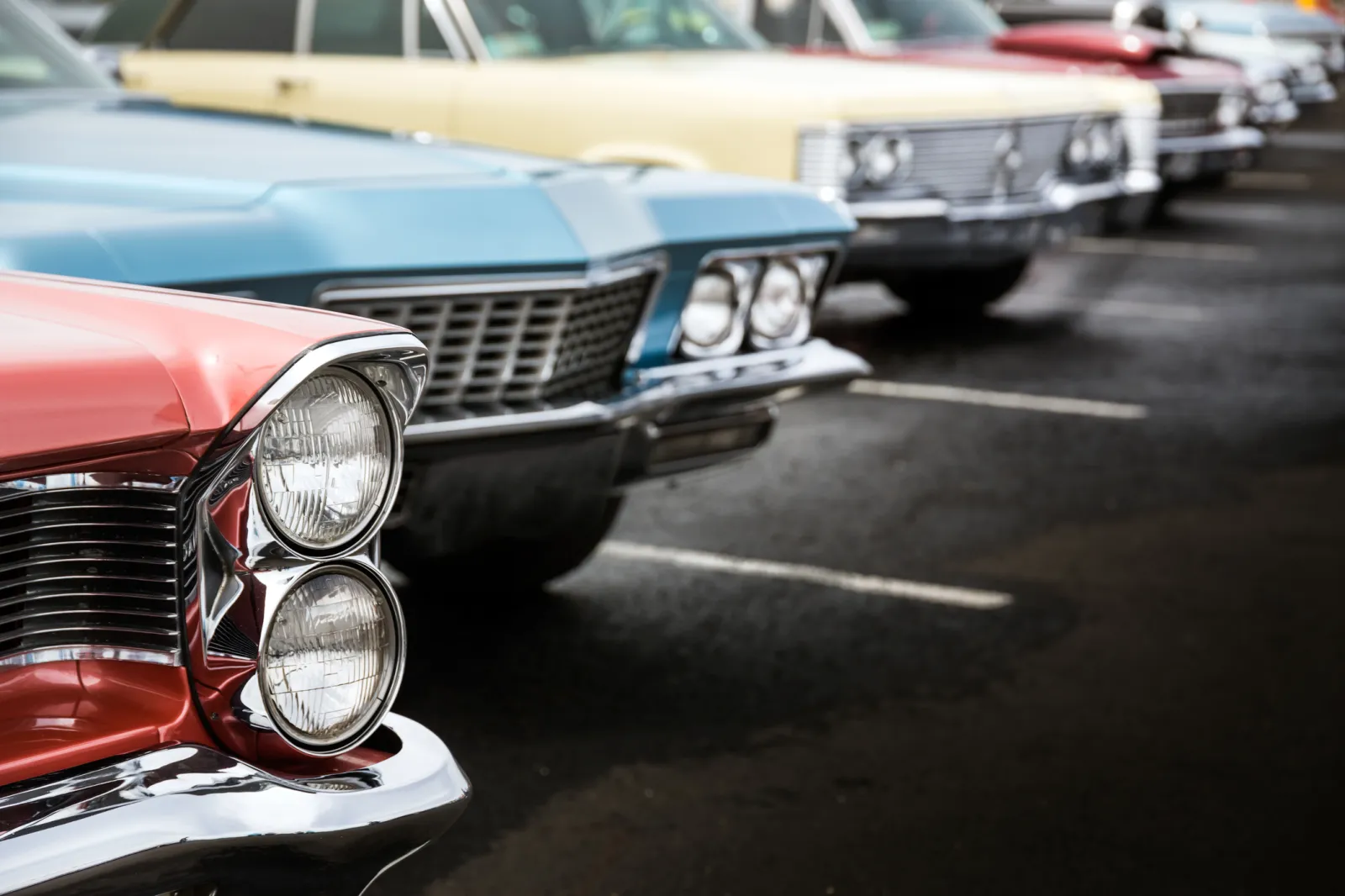
Minnesota lawmakers are weighing a proposal that could significantly narrow the times that classic and collector vehicles are allowed on public roads, raising concerns among car enthusiasts who say the measure would sharply restrict how and when they can use their vehicles.
House File 3865 (HF 3865), introduced during the 2025—2026 legislative session, updates state law governing how certain vehicles receive special plates and when those vehicles are allowed to be driven on public roads. The vehicles affected include various collector and classic cars, street rods, and some vintage motorcycles.
While sponsors describe the bill as a clarification of the existing law, critics say it will effectively stop classic cars from being driven on weekdays—even if it doesn’t explicitly say “weekday ban” in the bill.
What the Bill Would Change
Under HF 3865, Minnesota law would more explicitly define what it means to operate a vehicle “solely as a collectors’ item.”
The bill states, “A person may operate a vehicle registered in the collector class…solely as a collectors’ item and not for general transportation purposes. Operation as a collectors’ item includes: (1) transportation for a collector vehicle club activity, exhibition, tour, parade, or similar use; and (2) operation on Saturday and Sunday from sunrise to sunset.”
This effectively means that collector-class vehicles may be driven only for specific purposes, such as parades, exhibitions, tours, or club activities, or during daylight hours on Saturdays and Sundays. Any use outside those conditions would not qualify as permitted operation under the statute.
According to Road and Track, Minnesota already prohibits vehicles registered with collector plates from being used for general transportation and requires owners to have a separately registered daily driver. However, the existing law doesn’t clearly spell out when or how often collector vehicles may be driven, leaving room for informal weekday use.
HF 3865 would replace that ambiguity with time-specific and purpose-based limits.
Why Enthusiasts Are Concerned
Automotive groups and classic car owners argue that the bill goes beyond preventing misuse of collector plates and could make routine activities illegal.
Critics point out that the proposed language does not clearly allow test drives after repairs. It also prevents informal cruise nights or casual weekday drives that are not connected to an organized event, says The Tech Advocate.
CBT News reported that opponents fear the restrictions could discourage ownership and maintenance of historic vehicles, many of which require regular driving to remain mechanically sound.
What Happens Next
HF 3865 is still moving through the legislative process, and its final language could change before it’s passed. Lawmakers have not yet said whether amendments might be added to allow limited weekday driving, maintenance test runs, or other exceptions requested by car enthusiasts.
If enacted as written, the bill would shift classic car use in Minnesota toward a model centered almost exclusively on weekends and organized events, marking a significant change from current practice and Minnesota’s celebrated car culture.
For collectors, restorers, and hobbyists, the outcome could determine whether classic cars remain a flexible pastime—or become vehicles reserved largely for shows and parades.