With European leaders in shock over comments in President Donald Trump’s new National Security Strategy, the U.S. ambassador to NATO raised the question as to whether Europe is “just a museum”.
The Trump strategy pointed to European economic decline and warned even more strongly of “civilizational erasure” and what it called the undermining of political liberty, questioning whether longstanding NATO partners would remain reliable allies.
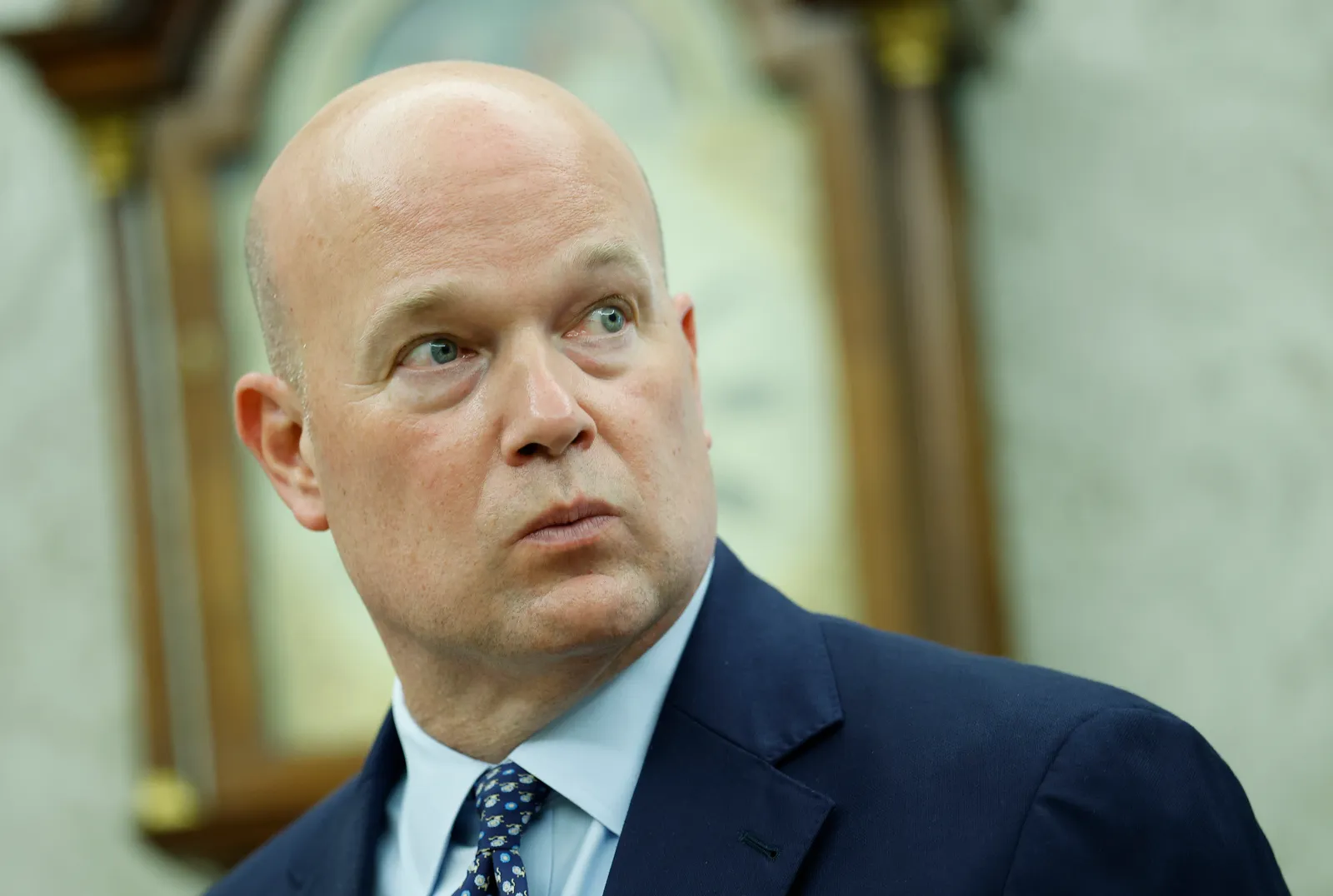
“Is Europe a dynamic economy that can grow, or is it just a museum that is a relic of the past and we just go to see the people’s lovely wines and cheeses and beers and waffles in the case of Brussels?” U.S. ambassador to NATO Matthew G. Whitaker said at an event at the Doha Forum in Qatar’s capital.
Newsweek contacted European Commission spokespeople for comment outside of normal business hours.
Why it Matters
The comments underline the U.S. position set out in the security strategy, which added to European fears over the fate of NATO and a defense that has for decades relied on U.S. power.
The widening rift between European leaders and the Trump administration comes at a time of frustration on the continent over the apparent U.S. readiness to make territorial and other concessions to Russian President Vladimir Putin to try and end the war in Ukraine since Russia’s 2022 invasion – and to sideline them in negotiations.
U.S. criticism of the European Union increased on Friday over a $140 million fine against Elon Musk’s social media platform X.
What to Know
Speaking in Doha, Whitaker was asked about the reaction to the security strategy.
“It talks about that our allies that are rich European countries need to do more and that they haven’t. They have underspent over the last several decades, and they need to spend a lot more on their own defense, and therefore the collective defense,” Whitaker said, while adding that NATO countries were now stepping up on defense spending.
After the announcement of the new security strategy, Polish Prime Minister Donald Tusk said on X: “Dear American friends, Europe is your closest ally, not your problem. And we have common enemies. At least that’s how it has been in the last 80 years. We need to stick to this, this is the only reasonable strategy of our common security. Unless something has changed.”
European politicians also bridled at the mentions in the U.S. security strategy of the curtailing of free speech in Europe and the expression in the section titled “Promoting European Greatness” of optimism at the rising influence of “patriotic European parties” at a time mainstream parties fear the rise of the anti-immigrant right.
“Its language that one otherwise only finds coming out of some bizarre minds of the Kremlin,” Co-Chair of the European Council on Foreign Relations and former Swedish prime minister Carl Bildt posted on X.
But European foreign policy chief Kaja Kallas had a less hostile response to the strategy overall.
“Of course there’s a lot of criticism, but I think some of it is also true,” she told the Doha Forum. “Europe has been underestimating its own power towards Russia for example. We should be more self-confident, that’s for sure, and the U.S. is still our biggest ally.”
What People Are Saying
U.S. ambassador to NATO Matthew G. Whitaker: “The United States is going to continue to be a great ally and a great friend, but we have expectations that it’s no longer a one-way street, and we’re going to have expectations not only about picking up the conventional defense of the European continent, but also in implementing things that our shared values should drive, things like free speech.”
U.S. National Security Strategy: “Should present trends continue, the continent will be unrecognizable in 20 years or less. As such, it is far from obvious whether certain European countries will have economies and militaries strong enough to remain reliable allies. Many of these nations are currently doubling down on their present path. We want Europe to remain European, to regain its civilizational self-confidence, and to abandon its failed focus on regulatory suffocation.”
Member of the European Parliament Barry Andrews on X: “This new #Trump US Security Strategy document is shocking. It states: “…the growing influence of patriotic European parties gives cause for great optimism”; Top priority is “cultivating resistance to Europe’s current trajectory within European nations”; Europe, we need to wake up.”
What happens next
European countries will start to take on more of the cost of defense and are already increasing their spending on rearmament but also face a major challenge to support expensive welfare states, high debt levels and growing popular disaffection. Europe’s elite will recoil against the cultural challenges and anti-immigration rhetoric used by Trump, with relations set to worsen as frictions continue over Ukraine.