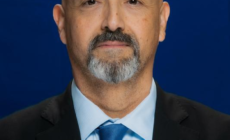
The head of the Los Angeles Department of Water and Power stepped down Wednesday as part of a “planned leadership transition,” Mayor Karen Bass’ office announced.
Janisse Quiñones, who took the helm at DWP in 2024, is returning to Puerto Rico, where she is from, to help modernize the island’s electric grid.
In a statement, Bass said that Quiñones brought “steady leadership and engineering expertise to LADWP.”
“During her tenure, LADWP reinforced electric grid and water system reliability, enhanced coordination during wildfire events, and advanced investments to strengthen resilience amid increasing climate pressures,” the statement said.
Quiñones’ hefty salary of $750,000, which drew attention when she was hired, was meant to be competitive with private utility companies. She previously was a senior vice president of electric operations at Pacific Gas & Electric Co.
Quiñones managed the DWP through the Palisades fire, when a key reservoir was empty as firefighters battled the blaze.
Some argued that the reservoir, which had been drained to repair its cover, led to lower water pressure and hampered the firefight.
The DWP has pushed back, saying the repairs were necessary to protect public health and that even if the reservoir had been full, there still would have been water pressure issues, considering the extraordinary demand on the system during the fire.
A state investigation found that even if the reservoir had been full, the flow rate in the pipes “would have been a limiting factor in maintaining pressure and the system would have been quickly overwhelmed.”