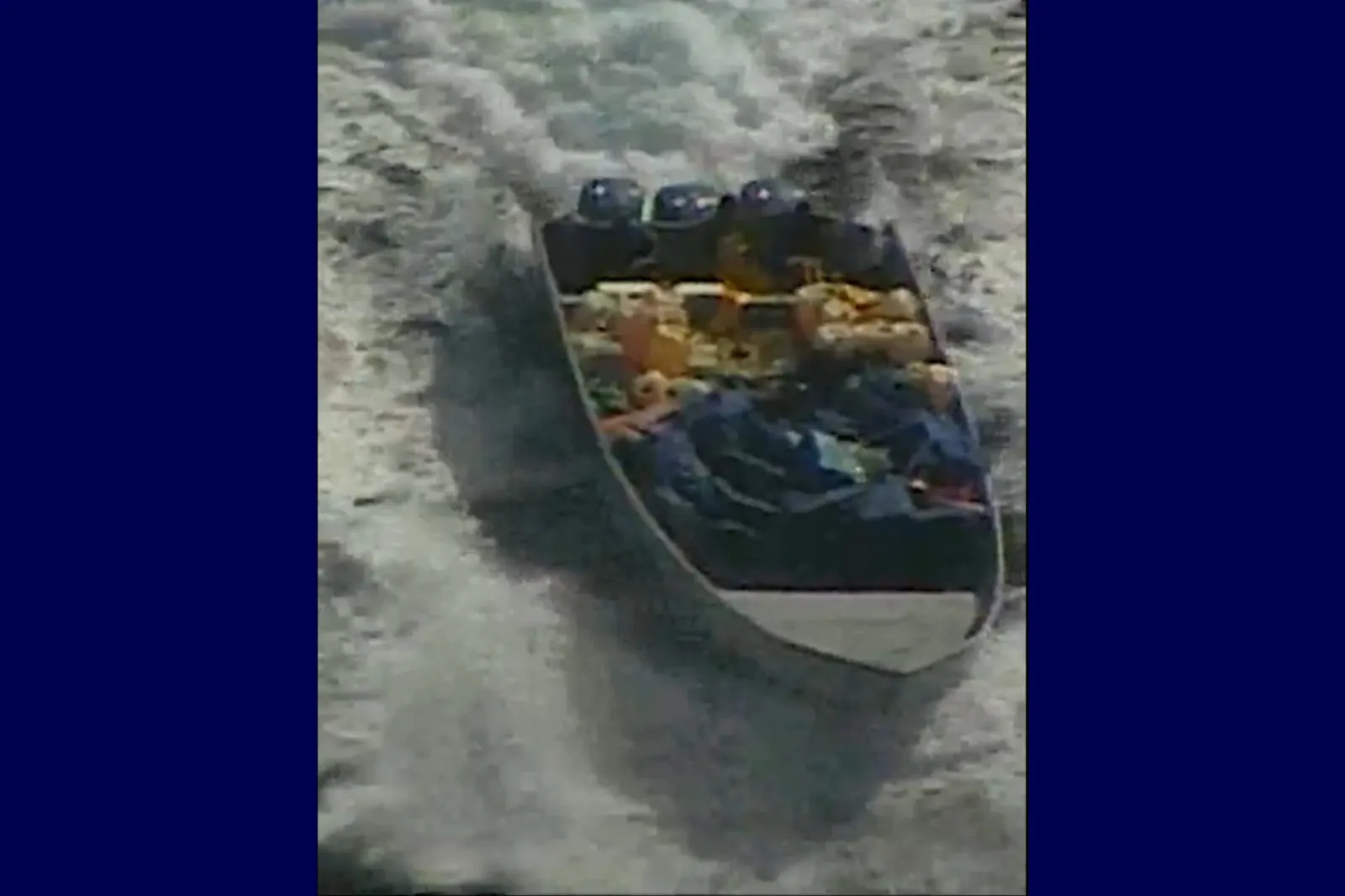
More than 20,000 pounds of cocaine was intercepted by members of the U.S. Coast Guard (USCG) in the Eastern Pacific, breaking an 18-year record for the largest at-sea cocaine seizure.
Members of the Coast Guard Cutter Munro made the discovery as part of Operation Pacific Viper, a broad surge against transnational drug smuggling, according to a Friday post on X from the USCG.
Why It Matters
The record-breaking bust came as the Trump administration and the Department of Homeland Security (DHS) renewed efforts to combat the flow of illicit drugs from Central and South America into the United States.
The record seizure represents a major disruption to the trafficking routes used by drug cartels and highlights the escalating maritime enforcement measures designed to protect U.S. communities from the harms associated with narcotics. The incident has also drawn attention to the evolving tactics and increased force—including lethal boat strikes—being used in anti-narcotics efforts across the Eastern Pacific and the Caribbean.
What To Know
The U.S. Coast Guard reported that the crew of the USCGC Cutter Munro, based in Alameda, California, successfully intercepted a go-fast vessel in the Eastern Pacific during a counter-narcotics mission as part of Operation Pacific Viper.
The bust, which occurred earlier this month, resulted in the seizure of over 20,000 pounds of cocaine—the single largest at-sea interdiction in nearly two decades.
The agency released video footage showing Coast Guard vehicles and a helicopter pursuing the non-compliant vessel, disabling it before seizing the illicit cargo.
The Coast Guard said the incident was emblematic of its accelerated focus on confronting drug trafficking networks by expanding operations and deploying new technology at sea, CBS News reported.
The crew’s interdiction was hailed as a historic milestone under Operation Pacific Viper, which has averaged more than 1,600 pounds of cocaine interdicted daily since August 2025.
As of October, the Coast Guard had seized over 100,000 pounds of cocaine under this operation alone, DHS said in press release. The USCG reported a total cocaine seizure of approximately 510,000 pounds in fiscal year 2025, surpassing any previous year on record.
The Coast Guard did not disclose the fate of the individuals aboard the intercepted vessel, stating only that its focus remains on stopping the flow of narcotics to the U.S.
The escalation of operations in the Eastern Pacific follows longstanding attempts to disrupt maritime trafficking routes regularly exploited by organized crime groups originating in Central and South America, including Venezuela and Colombia.
Meanwhile, Colombian authorities reported their own significant interdiction earlier in the week, seizing more than seven tons of cocaine from multiple vessels in the Caribbean and arresting 11 suspects.
The Trump administration has backed aggressive interdiction strategies, which have included lethal force against suspected drug boats on several occasions—an approach that has drawn support and controversy from lawmakers, particularly concerning incidents involving the targeting of survivors from destroyed vessels.
Officials defended these escalations as essential for dismantling narco-trafficking networks and curbing the entry of dangerous drugs into the country.
What People Are Saying
U.S. Coast Guard wrote in a Friday post on X: “Our maritime fighting force is leading America’s drug interdiction operations, protecting the Homeland, and keeping deadly drugs out of American communities. This is where defense of America begins.”
Admiral Kevin Lunday, acting commandant of the Coast Guard, said in a press release last month: “The Coast Guard’s top priority is to achieve complete operational control of the U.S. border and maritime approaches. We own the sea, and this historic amount of cocaine seized shows we are defeating narco-terrorist and cartel operations to protect our communities and keep dangerous drugs off our streets.”
What Happens Next?
Operation Pacific Viper is expected to continue with intensified maritime and aerial patrols throughout the Eastern Pacific and Caribbean.
The U.S. Coast Guard has indicated ongoing collaboration with federal, state, and international partners to further disrupt transnational criminal organizations and seize illegal narcotics before they reach U.S. shores.
Authorities have not publicly stated the legal outcomes for those apprehended during the record seizure, and further information is anticipated as prosecution proceedings advance.