Tennessee Republicans are moving forward with a bill that would make it a state‑level crime for immigrants to remain in the state more than 90 days after receiving a final federal deportation order.
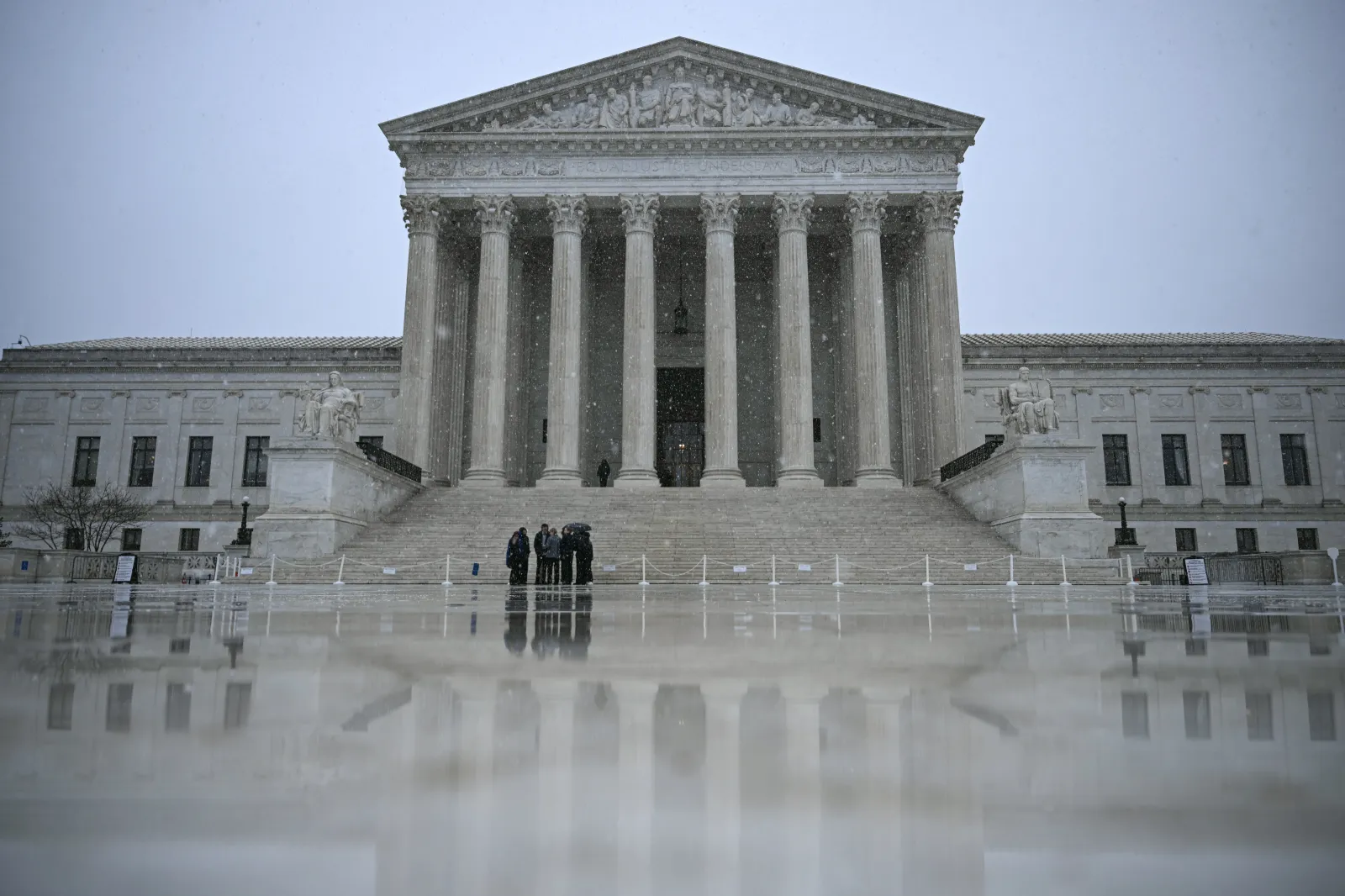
The proposal, part of the state’s sweeping “Immigration 2026” agenda, is being viewed as a way to provoke a legal battle that could take the issue all the way to the U.S. Supreme Court.
“Established law dating back well over a century prohibits states creating their own immigration laws, but Tennessee legislators are attempting to create a state-level immigration regime with this bill that would lead to chaos and disorder throughout the country,” Spring Miller, senior legal director at the Tennessee Immigrant & Refugee Rights Coalition (TIRRC), told Newsweek Friday afternoon.
“Language in the bill even suggests that the lawmakers themselves know this runs afoul of Supreme Court precedent, and undoubtedly groups are prepared to fight this government overreach in the courts should it pass.”
Tennessee joins a growing bloc of Republican-led legislatures pushing the limits of federal government supremacy over immigration law—following Texas, Georgia, Iowa, Louisiana and Oklahoma, which have already enacted versions of the Lone Star State’s SB 4, a strict state‑run deportation and reentry criminalization effort that has been widely challenged.
‘I Like Our Track Record With the Supreme Court’
The bill would seek to make it a Class A misdemeanor for an immigrant barred from entering the U.S., or who has been excluded, deported or removed from the country, to intentionally enter Tennessee. That would include those who had final orders or removal and left of their own volition.
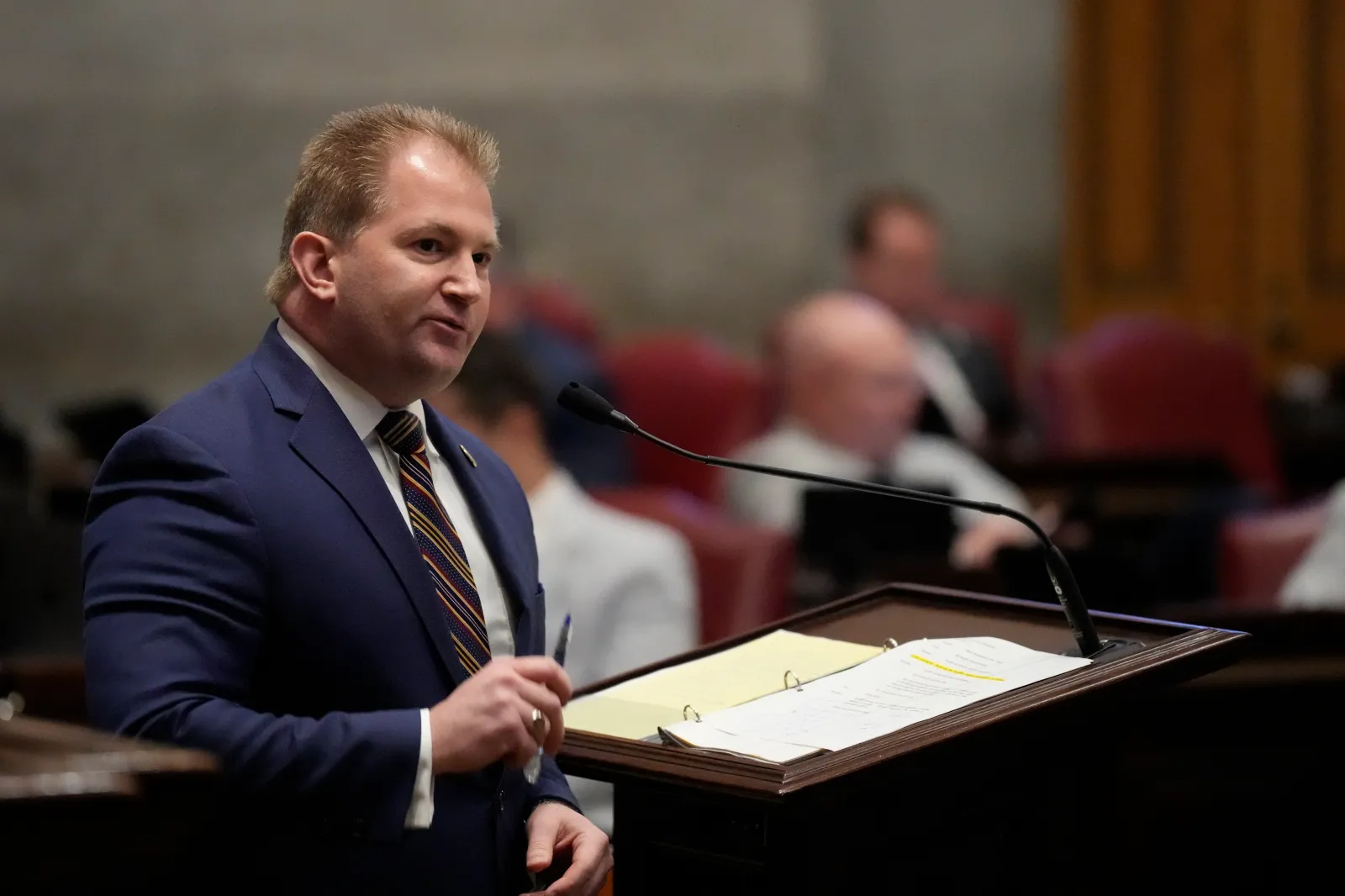
Tennessee House Majority Leader William Lamberth, the bill’s sponsor, framed the proposal as a deliberate attempt to challenge long‑standing precedent that bars states from enforcing their own immigration rules.
“When someone has exhausted all their options and they’ve been told to leave the country, it is illegal for them to stay, both under federal law, and if this bill passes, it would be a misdemeanor for them to enter in, or remain in, the state of Tennessee,” Lamberth told lawmakers during a House Judiciary Committee hearing.
When pressed on whether the bill is unconstitutional under the Supreme Court’s 2012 ruling in Arizona v. United States, Lamberth responded bluntly: “I like our track record with the U.S. Supreme Court.”
He pointed to the High Court’s willingness in recent years to uphold conservative social policy in Tennessee, including its ban on gender‑affirming care for minors and the post‑Roe v. Wade abortion trigger law. However, those policy areas have had a more mixed approach of state and federal laws governing them, rather than immigration, which has long been the responsibility of the federal government.
Democrats expressed outrage. State Representative Gloria Johnson warned the committee: “Everything that I’ve read, everyone that I’ve talked to, said that this is currently unconstitutional.” She later accused the legislature of advancing a “Stephen Miller bill … that we know is unconstitutional” at taxpayer expense.
The TIRRC’s Miller said the bill would have “a chilling impact” on mixed-status families who live in and visit the state.
“Instead of funding Tennesseans’ basic needs, affordable healthcare, and quality education, taxpayer resources would be used to imprison people for simply being or passing through the state and having been issued a piece of paper that they may or may not have been aware of,” she said.
A Trigger Designed for a Supreme Court Challenge
The bill includes a trigger mechanism that would activate the law only if federal law changes or the Supreme Court overturns Arizona v. United States, the decision establishing that immigration enforcement is a federal domain.
Lamberth defended that design as prudent, saying the bill “respects constitutional boundaries while ensuring we are prepared if states’ authority is restored.”
At issue there is the fact that states have never held authority to enforce immigration laws, with the power of naturalization set out in the U.S. Constitution used as one argument holding up the federal government’s power here.
“Furthermore, this bill is confusing and would be incredibly hard to enforce,” Miller told Newsweek. “There is no centralized database that tracks everyone that has received a final order of removal, and someone with a final order of removal could be in the process of adjusting their status through established legal pathways.”
Tennessee Is Joining a Larger Strategy to Erode Federal Control
Legal scholars say Tennessee’s effort fits within a broader movement among Republican-controlled states to push federalism boundaries by creating parallel state immigration crimes, a concept that was once legally unthinkable. Texas pioneered this approach with SB 4, which created state crimes for illegal entry and reentry and allowed state judges to order migrants returned to Mexico.
That policy came at a time of record illegal border crossings from Mexico into Texas and other border states, with Governor Greg Abbott, a Republican, railing against the Biden administration on the issue, arguing he had to take matters into his own hands.
According to a 2024 policy assessment from the Immigrant Legal Resource Center, Georgia, Iowa, Louisiana, Oklahoma and Tennessee all had passed bills modeled on SB 4, which the brief characterizes as part of a “dangerous trend” of states weaponizing the criminal legal system to target immigrants.
Immigration law experts told Newsweek in 2024 that the escalation was concerning, and that a mixture of policies across the U.S. could cause issues across the border.
“Mexico is our neighbor. Mexico’s our largest trading partner. A provocation in one area leads to complications across the board,” Tom Jawetz, an immigration advocate who worked with the U.S. Department of Homeland Security and advised the Biden administration on immigration policy, told Newsweek in July 2024.
Other States Are Not Waiting
Florida, meanwhile, has expanded cooperation agreements with U.S. Immigration and Customs Enforcement (ICE) that allow state officers to interrogate and detain people for suspected immigration violations during traffic stops, creating an enforcement program that experts say blurs the line between state police powers and federal immigration authority, as they then hand over immigrants to ICE for further processing.
Texas and Florida have also received billions in federal funding for state‑led immigration enforcement, which analysts say has emboldened states to push against the edges of federal preemption even without directly creating new immigration laws.
For Tennessee, the law would not necessarily kick in until changes at the federal level, but advocates and lawmakers appear ready for a battle all the way to the Supreme Court.