Some beaches along the East Coast might no longer exist after a vicious storm threatening significant coastal flooding passes through the area this weekend, AccuWeather warned in an email to reporters on Thursday.
AccuWeather Chief Meteorologist Jon Porter told Newsweek the beaches at highest risk of disappearing were North Carolina’s Outer Banks and the stretch of land from Virginia Beach to Toms River, New Jersey.
Why It Matters
The storm is expected to form off the Southeast U.S. coast early Saturday morning and strengthen as it treks north along the Eastern Seaboard. The storm could cause significant impacts, including coastal flooding, beach erosion, heavy rainfall, and strong winds up to 55 mph.
AccuWeather has warned that this will be the most significant storm so far this season for much of the East Coast.
What To Know
AccuWeather has been tracking the storm off the East Coast for nearly a week. Since October 6, AccuWeather has referred to the storm as a Tropical Wind and Rainstorm, as the incoming storm is expected to have some tropical impacts. However, the National Hurricane Center (NHC) has yet to officially name the storm or post any updates about it on its social media, as it doesn’t meet certain meteorological characteristics.
Other meteorological agencies are referring to the storm as a nor’easter.
“A nor’easter is a storm that produces strong winds from the northeast direction,” Porter said in the report. “By definition, any tropical storm or hurricane moving north along the East Coast is a nor’easter because the counterclockwise circulation around the storm produces a wind from the northeast as the storm approaches the major cities such as New York City and Boston.”
The coastal flooding associated with the storm could alter the coastline, “with some beaches no longer existing,” the AccuWeather report added.
Storms have already pounded the Outer Banks this year, and Porter warned there could be less natural barriers like sand dunes to block the relentless waves.
“A lot of that sand may be washed away and much more sand may need to be brought in to restore those beaches,” Porter told Newsweek.
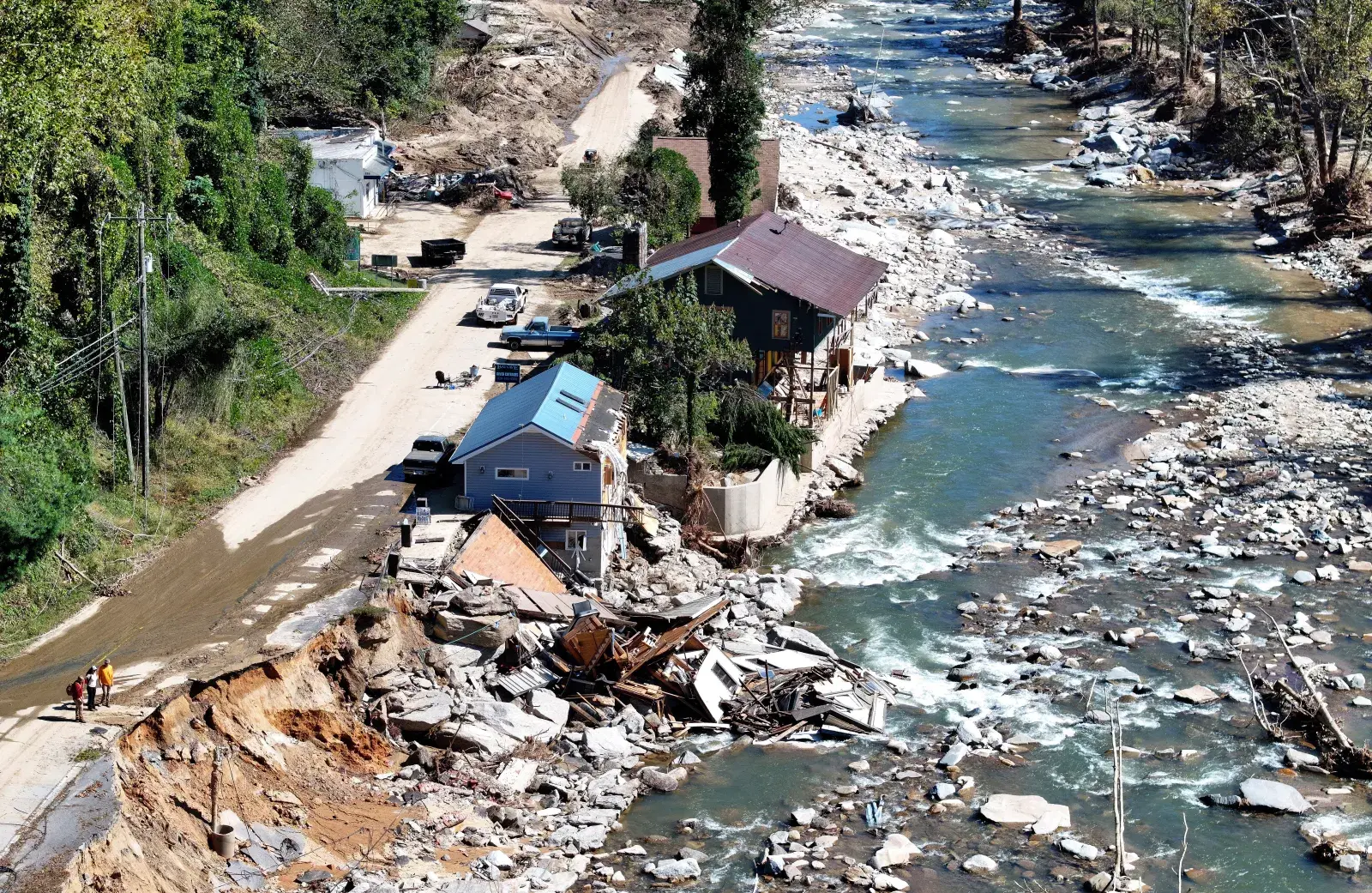
Other impacts expected include “major damage to homes near the coast, overwash of roads and destruction of boardwalks,” the report said.
Many National Weather Service (NWS) offices have issued warnings and alerts in advance of the storm, including alerts about coastal flooding, gale warnings, high wind watches, and others.
“Our concern is that some people may not be taking this storm as serious without an indication that the storm will be named,” Porter said. “This is why AccuWeather experts have been stressing for days that this storm, regardless of designation, may produce significant or even destructive coastal flooding, beach erosion, damaging surf, gusty winds and heavy rainfall resulting in flooding.”
What People Are Saying
NWS Mount Holly, New Jersey, in a high wind watch: “Damaging winds could blow down trees and power lines. Widespread power outages are possible. Travel could be difficult, especially for high profile vehicles.”
An NWS briefing for the East Coast storm: “A strong coastal storm is forecast to bring potentially significant impacts to our region. Moderate to major coastal flooding, strong to damaging winds, beach erosion, and very dangerous marine conditions are forecast.”
What Happens Next
Many of the NWS weather alerts related to the storm will go into effect Saturday and Sunday, while some will persist into Monday. People residing along the Eastern Seaboard, particularly those in coastal areas, are urged to follow local weather guidance and remain vigilant as the storm takes shape.