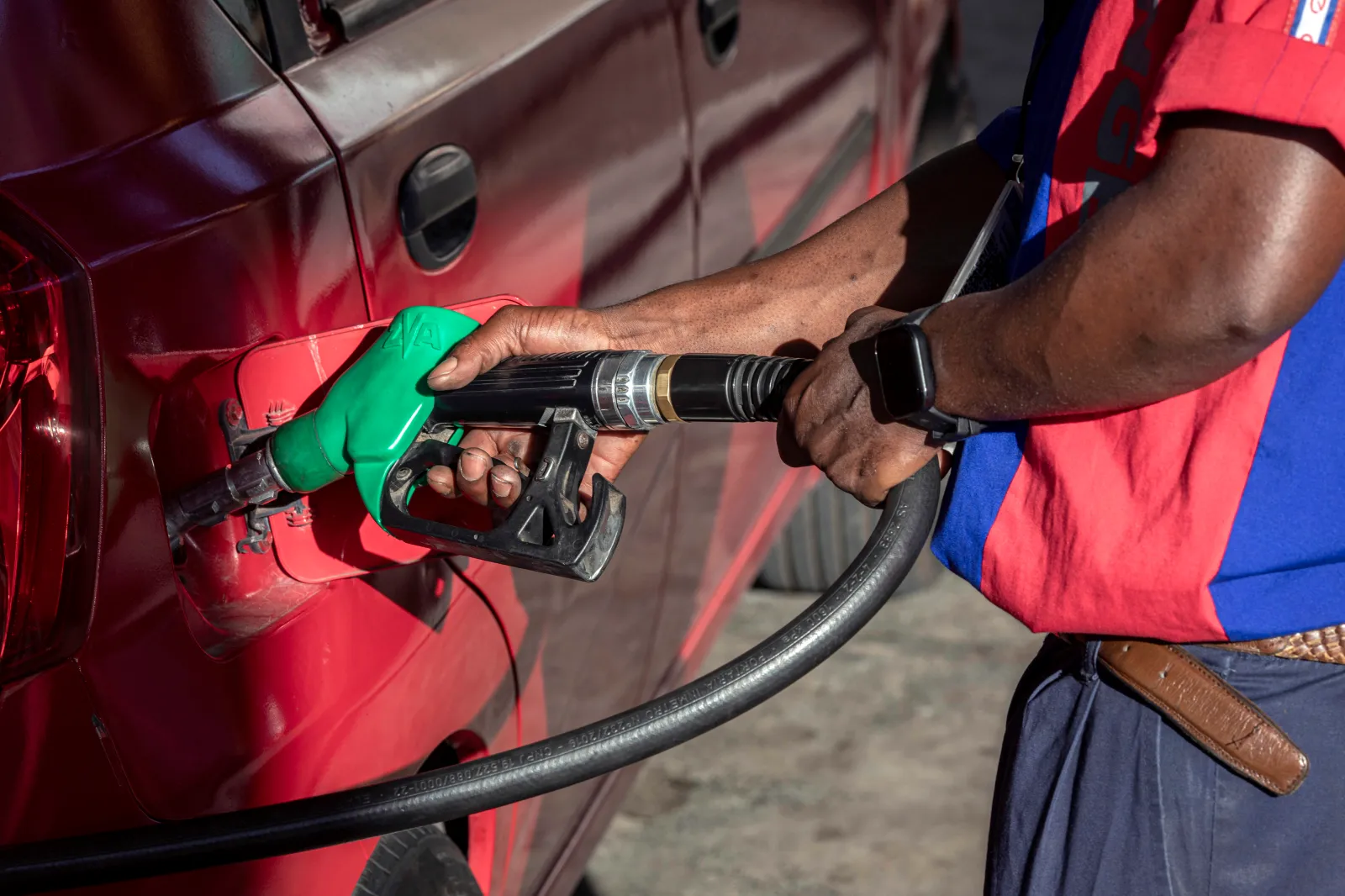
The Environmental Protection Agency under Lee Zeldin has recently announced a nationwide waiver to allow the widespread summer sale of E15 fuel at a time when we’re suddenly reminded how important oil is for the entire world. This decision to offer cheaper fuel from May 1 to May 20 may be a great way to deal with rising fuel prices. However, would it be good for the health of your vehicle?
E15 is aimed at reducing gasoline consumption as military conflicts around the world lead to a rise in fuel prices. In addition, since ethanol is cheaper than gasoline, it will help reduce the price of fuel that is currently skyrocketing. Despite the advantages, the additional ethanol content could lead to engine problems in the long run.
Before we understand the potential impact of E15 gasoline on old and new vehicles, it is important to understand what it means. E15, also known as Unleaded 88, is a mixture of 15% ethanol and 85% gasoline. This formulation is slightly different from standard fuel, E10, meaning it has 10% ethanol and 90% gasoline.
According to a report by MotorBiscuit, the standard fuel has an octane rating of 87, but with ethanol carrying a higher octane rating of 114, the 5% extra ethanol in E15 fuel is rebranded as Unleaded 88. The real question is, does the 5% extra ethanol harm the engine? There is a high chance of that happening if the vehicle is quite old, especially if it was manufactured before 2001.
The hygroscopic nature of ethanol makes it absorb moisture from the environment, and if that fuel sits in the tank for a while, it will cause phase separation. While cars made after 2001 have advanced oxygen sensors and fluoropolymer-lined fuel systems to process the separated liquids, older cars without this technology will struggle to burn the solution, potentially leading to damaged rubber seals and dissolved plastic fuel lines. Not only that, but excess ethanol can also lead to corrosion of engine components.
E15 Fuel a Costly Affair?
The EPA’s E15 offer could therefore become a costly affair for many vehicle owners, especially those who live in humid areas, as phase separation will happen sooner. The problem will also have an impact on vehicles without fuel injection, those that run on a carburetor. Using E15 fuel for other equipment, such as a lawnmower or a chainsaw, can be catastrophic since they don’t have an ECU and oxygen sensor that can adjust the air-fuel mixture effectively.
While the E15 rollout can be good for your pockets initially, one needs to be wary that ethanol contains less energy than gasoline, meaning users can expect a drop of 1.5% to 2% in MPG. So eventually, with E15, you end up burning more fuel for the same amount of distance, fuel which is marginally cheaper than standard gasoline. Not to mention the potential impact it can have on metal components inside the engine, since it attracts moisture. The question is: Is E15 really that cheap in the long run? The answer is no.