By now, you’re probably over the 2016 nostalgia and mass revival effort and trying to hide the endless stream of memories. But the trend is deeper than just celebrity carousels of their Triangl bikini pictures or bathroom selfies while wearing a choker, instead reflecting a different age in politics, music, community and technology, and one that some people may actually be nostalgic for.
As people rang in the new year, TikTok turned into a time machine, christening “2026 as the new 2016” in a constant scroll of Snapchat dog filters, Mannequin Challenge throwbacks and choker and crop top photoshoots from a decade ago. Even corporations and brands, including Miralax, couldn’t resist, posting their own compilation.
Then the nostalgia jumped platforms, amplifying the trend even more. On Instagram, millennials, many of them freshly out of college back then, began reclaiming their highlight reels, reposting 2016 memories with captions that read like a warning label: “the year before it all went wrong” or “the last good year.”
The momentum spiked again after rapper Fetty Wap was released from prison on January 8, injecting the trend with a fresh jolt of 2016-era soundtrack energy with “Trap Queen” added to Instagram stories and posts.
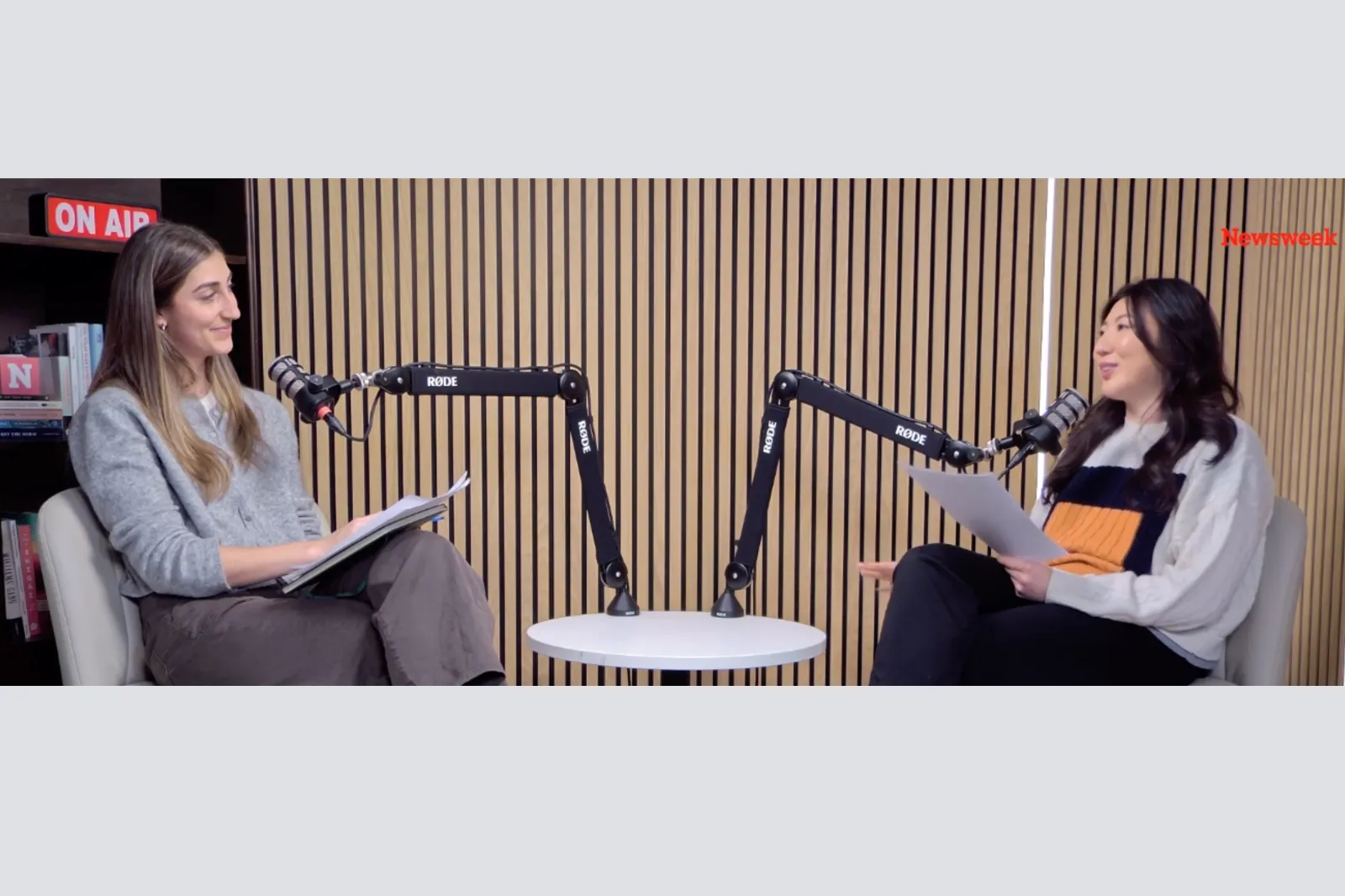
In a new episode of Did You Miss Me?, a podcast about today’s online obsessions, why they hit when they hit, and what they date back to, Newsweek senior reporter Katherine Fung and politics and culture reporter Mandy Taheri dig into the “2026 is the new 2016” phenomenon.
Watch Here: Did You Miss Me? Podcast Full Episode
What Was 2016? And What Do People Remember?
In addition to scrolling through social media and newsletter posts, Fung and Taheri sent out a 14-question survey to collect some of their own data and discussed the results in their new episode.
In a small sample of 120 responses, about 60 percent were women and roughly 40 percent were men, with most respondents based in the United States (77 percent). Another 20 percent were based in Canada while the rest were scattered across Europe, India, China and Lebanon. The majority of participants were between 18 and 21 years old.
Thirty-one percent of people classified 2016 as “fun,” while the second most popular word was “college” and followed by a multi-way tie between “Trump” and “formative” and “friends.” The biggest trend people partook in was the Snapchat dog filter, 77 percent, with 68 percent having posted a boomerang.
2016 was a monumental music year: Beyoncé’s Lemonade, Rihanna’s ANTI, Drake’s Views, Frank Ocean’s Blonde and Chance the Rapper’s Coloring Book all landed in the same year—while singles like Drake’s “One Dance,” Rihanna’s “Work,” The Chainsmokers’ “Closer,” Sia’s “Cheap Thrills,” Desiigner’s “Panda,” and Beyoncé’s “Formation” basically soundtracked everything.
“Nearly 70 percent of people” chose “Closer” as one of the core songs of their 2016 experience, Fung said. Nielson’s 2016 data found that in terms of total activity, defined as sales and audio streaming equivalents, was “One Dance, “Closer,” “Work.” It’s hard to underplay the impact of the era’s music, with Fung noting, “When we asked people what you would bring back from 2016, that was the most popular answer, it was the music.”
A decade ago was packed on the sports calendar, too—an Olympics year, with the Rio Summer Games dominating the season. And politically, it was inescapable: a presidential election that many respondents still describe as a core memory, for some the first one they ever voted in.
“I do think most of the nostalgia, and we saw this in some of our answers, is really pre-election,” Taheri said, noting that many of the milestones people have posted and reflected on appear to be from earlier in the year, especially the summer.
Some respondents also pointed to 2016’s darker undercurrent: the Pulse nightclub massacre, the Nice, France, truck attack, the deaths of icons like David Bowie and Prince, and—depending on where you were—the shock of Brexit or the U.S. election.
Why Are People Nostalgic For 2016?
Technology is part of what makes 2016 feel so dreamlike in hindsight. The feeds were less influenced, the internet felt more connected, and the platforms hadn’t quite turned into the at times polarizing curators they are now.
In March 2016, Instagram changed its algorithm away from chronological posts to more curated ones. “Also interesting when you pair it with that later that year Stories are introduced,” Taheri said, noting they came out in August.
Fung added, “I think it really was the last time we had monoculture where we like were all experiencing the same reality on and offline,” later adding, “You could participate in meme culture without being chronically online.”
With no TikTok, no widespread generative artificial intelligence, and feeds that still felt more like a hangout than an influencer machine, 2016 reads—at least in hindsight—as a last shared internet.
Fung and Taheri also noted that a decade of distance helps soften the edges—how a year that didn’t always feel so golden in real time can, looking back, glow a little brighter through rose-colored glasses.
Age plays a role, too. For people on the Gen Z–millennial cusp, 2016 often lined up with a stretch of life that felt lighter, either still in college or just out of it, before careers, heafty bills and bigger responsibilities fully set in.
“There is an element of escapism and using nostalgia as a way to not feel so isolated now,” especially after a decade marked by mass shootings, grinding politics, global tragedies and a pandemic that rewired how people live and connect, Taheri said.
Watch the full conversation between Taheri and Fung in the video player above or on YouTube. New episodes drop weekly.
Um die besten Erfahrungen zu bieten, verwenden wir Technologien wie Cookies, um Geräteinformationen zu speichern und/oder darauf zuzugreifen. Wenn Sie diesen Technologien zustimmen, können wir Daten wie das Surfverhalten oder eindeutige IDs auf dieser Website verarbeiten. Die Nichteinwilligung oder der Widerruf der Einwilligung kann bestimmte Merkmale und Funktionen beeinträchtigen.
Functional
Always active
The technical storage or access is strictly necessary for the legitimate purpose of enabling the use of a specific service explicitly requested by the subscriber or user, or for the sole purpose of carrying out the transmission of a communication over an electronic communications network.
Preferences
The technical storage or access is necessary for the legitimate purpose of storing preferences that are not requested by the subscriber or user.
Statistics
The technical storage or access that is used exclusively for statistical purposes.The technical storage or access that is used exclusively for anonymous statistical purposes. Without a subpoena, voluntary compliance on the part of your Internet Service Provider, or additional records from a third party, information stored or retrieved for this purpose alone cannot usually be used to identify you.
Marketing
The technical storage or access is required to create user profiles to send advertising, or to track the user on a website or across several websites for similar marketing purposes.