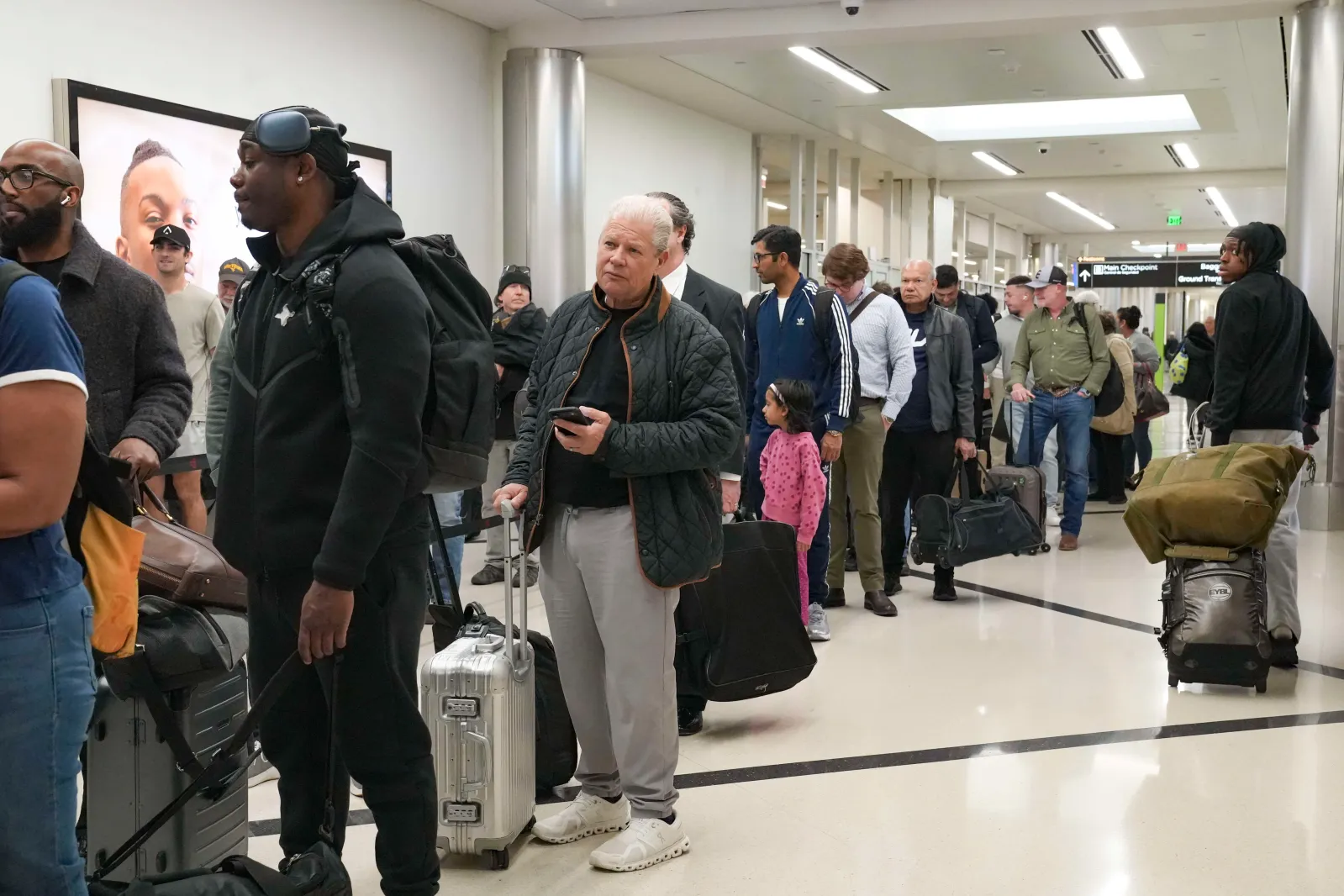
Travelers passing through Hartsfield-Jackson Atlanta International Airport on Friday were met with a familiar but increasingly disruptive sight: TSA lines stretching well beyond the checkpoints, with reported waits of up to two hours at the main domestic terminal as staffing shortages collided with heavy spring travel demand.
Why It Matters
For passengers flying out of Atlanta, the delays were frustrating enough. But the consequences extend far beyond Georgia. Because Atlanta is the world’s busiest airport, prolonged security backups there can ripple across the national—and even global—air travel system, affecting travelers who never planned to set foot in the city.
To be sure, TSA delays at other major airports can also disrupt travel, particularly during peak periods. But few airports play as central a role in the U.S. air network as Atlanta. What makes Atlanta different—and more consequential—than other airports is not just volume, but centrality. When smaller airports experience TSA delays, the impact is often localized. When Atlanta slows down, the entire system feels it. A long TSA line in Georgia may be the unseen reason a flight is delayed hundreds of miles away.
What to Know
Security lines at Hartsfield-Jackson spilled into the baggage claim area early Friday, with airport officials advising travelers to arrive three to five hours early for domestic flights as TSA staffing levels struggled to keep up.
The immediate cause is a sharp increase in callouts by TSA officers tied to the ongoing partial federal government shutdown, which has left many of them working without pay. Local union leaders and airport officials say the resulting staff shortages have forced some checkpoints to close or operate at reduced capacity, slowing the flow of passengers during peak morning departure windows.
Atlanta is not just busy—it is structurally central to U.S. air travel. As a massive hub-and-spoke airport, it connects passengers between dozens of domestic and international destinations, often in tightly scheduled waves.
When TSA delays cause travelers to miss departures in Atlanta, the effects cascade. Passengers miss connecting flights, aircraft sit idle longer at gates, and flight crews risk exceeding federal duty-time limits. Once planes and crews fall out of position, airlines are forced to delay or cancel later flights across their networks.
During recent delays at Hartsfield-Jackson, Delta and other airlines reported hundreds of cancellations and delays as they worked to reset schedules disrupted by security backups, weather, and staffing shortages.
Because Atlanta feeds flights to cities across the country, missed connections there don’t stay local. Flights departing other airports may be held because crews or aircraft arrive late from Atlanta. In some cases, airlines or the Federal Aviation Administration impose ground stops or traffic-management programs to prevent further congestion, delaying flights headed to Atlanta before they even take off.
Atlanta’s TSA issues have also been exacerbated by bouts of severe local weather, including thunderstorms that prompted temporary ground stops earlier this week. When weather disruptions overlap with staffing shortages at security checkpoints, the recovery becomes far more difficult.
Passengers who finally clear TSA may find their flights delayed or canceled, sending them back to crowded gate areas and rebooking lines. Meanwhile, incoming passengers are still arriving, keeping pressure on already-strained terminals.
The effects of prolonged TSA delays are not limited to passenger inconvenience. Missed flights can lead to lost hotel reservations, missed meetings, and additional out-of-pocket costs for travelers. Airlines face mounting operational expenses as crews and aircraft sit idle or require repositioning.
Cargo operations are also affected. Many passenger flights carry time-sensitive freight in their cargo holds, meaning disruptions at Atlanta can delay shipments far beyond the aviation industry.
What Happens Next
Travelers are being urged to monitor flight status closely, build in extra buffer time—even on trips that don’t involve Atlanta directly—and be prepared for knock-on effects that can appear suddenly and persist throughout the day.