Fueled by a new viral strain, flu is hitting California early — and doctors are warning they expect the season may be particularly tough on young children.
Concentrations of flu detected in wastewater have surged in the San Francisco Bay Area, and the test positivity rate is rising in Los Angeles County and Orange County, according to state and county data. Hospitalizations and emergency room visits for flu are also rising in L.A. and Orange counties.
“We are at the point now where we’re starting to see a sharp rise in flu cases. This is a few weeks earlier than we usually experience, but very much akin to what was seen in the Southern Hemisphere’s experience with flu during their winter,” said Dr. Elizabeth Hudson, regional physician director of infectious diseases at Kaiser Permanente Southern California.
At Kaiser, flu cases are primarily being seen in clinics so far, but hospitalizations typically rise after Christmas. “We expect to see the same this year, too,” Hudson said.
“The number of cases appears to be higher at an earlier time in the usual flu season than we’ve seen in years past,” she added.
Flu levels are high in San Francisco’s sewage as well as in wastewater across San José, Sunnyvale and Palo Alto, according to WastewaterSCAN and the Santa Clara County Public Health Department.
One area of concern this winter has been the rise of a relatively new flu subvariant, known as H3N2 Flu A subclade K, which appeared toward the end of summer. That was months after officials decided which strains this fall’s flu vaccine would target.
Subclade K “is causing an active, early flu season, with more cases occurring in some countries within the Northern Hemisphere,” the California Department of Public Health said.
It remains unclear whether subclade K will reduce the efficacy of this year’s flu shot. Data recently released in Britain showed this season’s vaccines were 70% to 75% effective against hospitalization for children from the flu, and 30% to 40% effective in adults, which is within expectations, the U.S. Centers for Disease Control and Prevention noted.
This suggests “that influenza vaccination remains an effective tool in preventing influenza-related hospitalizations this season,” according to the agency.
However, the intended effectiveness of the flu vaccine against symptomatic disease caused by the new subvariant remains uncertain, the World Health Organization said.
Overall, flu rates in L.A. County remain relatively low, but are on the rise. Across California, flu hospitalizations are likewise low but increasing.
On a national level, severity indicators remain low, according to the CDC.
But the experience in other nations have led some experts to worry another severe flu season could be on deck for California.
Australia’s flu season, which is seasonally opposite from California’s, came far earlier than usual, hit with record strength and was particularly hard on the nation’s children.
Japan, Taiwan and Britain have also reported early spikes to their flu seasons.
“Whether or not this season will be more severe, only time will tell,” Hudson said of California. “We know that we have a mutation … which may make the flu vaccine work less well. But the vaccine still offers excellent protection against hospitalization and death, even with the mutated strain in circulation.”
Based on what happened in the Southern Hemisphere — particularly in Australia — “we are expecting this season to have a disproportionate impact on children under the age of 10,” Hudson said.
Already, three flu-associated pediatric deaths have been reported nationally this season, including two Friday.
During the flu season that ended in September, 280 children died from flu — the most since the swine flu pandemic season of 2009-10.
Overall, the 2024-25 season was considered the worst flu season since 2017-18, and hit adults hard as well. At least 38,000 people died from the flu last season, health authorities estimate.
Only a little more than half of the children who died from flu had an underlying medical condition, and 89% of those who died were not vaccinated, according to the CDC’s National Center for Immunization and Respiratory Diseases.
Among the children who died from flu last season, the most common complications experienced before death were shock or sepsis, pneumonia, acute respiratory distress syndrome, seizures and damage to the brain.
Early diagnosis of flu can help stave off the worst by giving those who are sick time to take antiviral medications like Tamiflu. Three out of five children who died from the flu during the 2024-25 season never received antiviral medication.
Emergency warning signs of flu complications in children include trouble breathing; bluish lips or face; ribs pulling in with each breath; chest pain; severe muscle pain, in which a child may refuse to walk; dehydration, signs of which include no urine for eight hours or no tears when crying; seizures; fevers above 104 degrees that are not controlled by medication; fever or cough that improve but return or worsen; and any fever in newborns younger than 12 weeks.
Since the official start of the respiratory virus season Oct. 1, the CDC estimates there have been at least 1,900 flu-related deaths, 49,000 hospitalizations and 4.6 million illnesses nationwide.
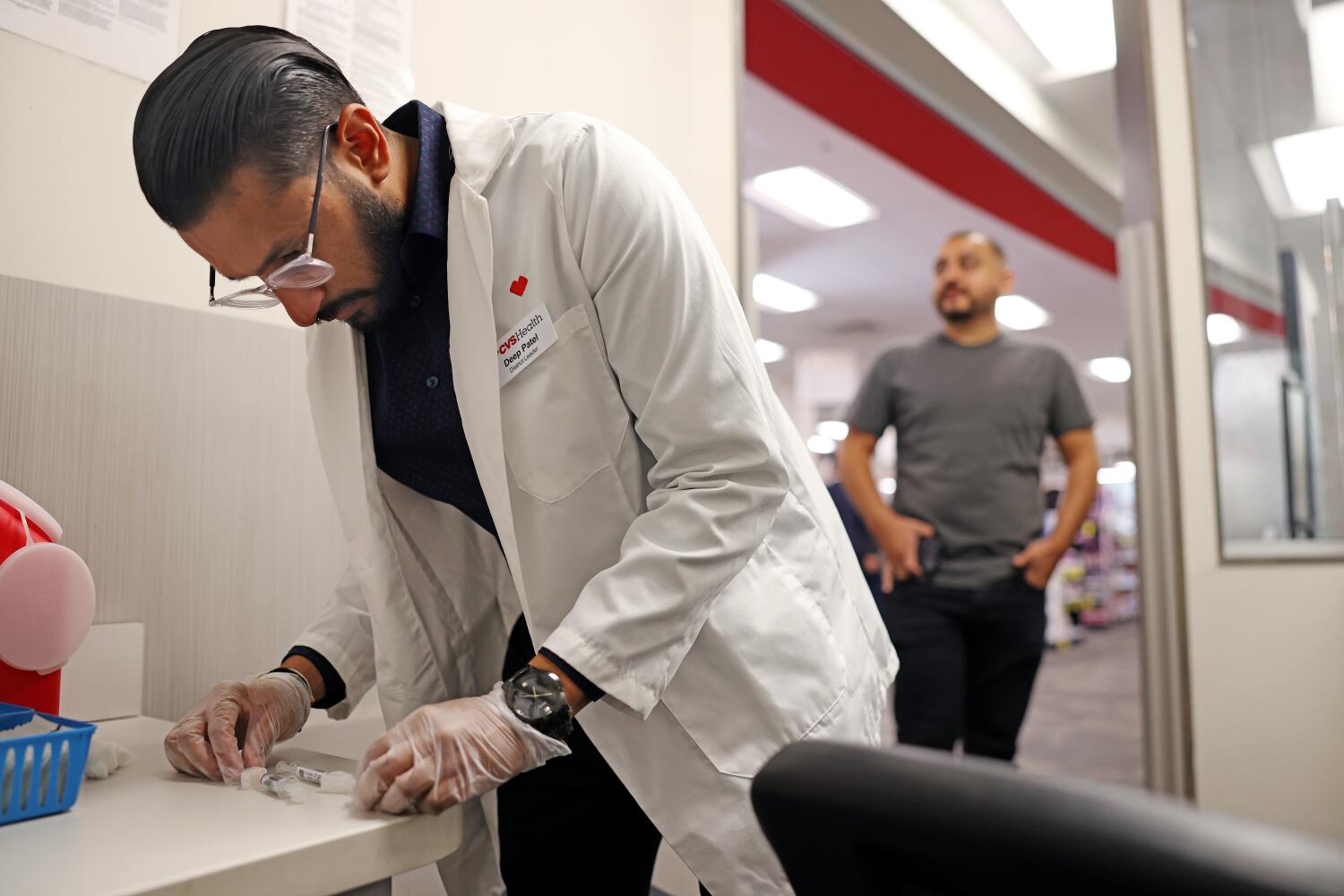
Doctors have been urging everybody to get the flu vaccine — the CDC recommends it for everyone age 6 months and up.
But vaccination rates have been lagging. Among children age 6 months to 17 years, an estimated 40.8% had been vaccinated as of the first week of December, according to the National Immunization Survey. In the last season before the COVID-19 pandemic, flu vaccination rates were notably higher by this time of year, at 51.2%.
At the end of last flu season, only 49.8% of children and teens had been vaccinated, the survey estimated, down from the 62.4% who had gotten their shots by the end of the 2019-20 flu season.
The decline in flu vaccinations has been seen locally, too. “Notably, fewer influenza vaccines have been administered this year compared to the same period last year,” the Orange County Health Care Agency said.
It takes about two weeks for protection to build, but getting vaccinated as soon as possible before travel or seeing friends and family “helps keep you and your loved ones safer,” the L.A. County Department of Public Health said in a statement to The Times.